


Page 45 - Journal of Special Operations Medicine - Winter 2015
P. 45
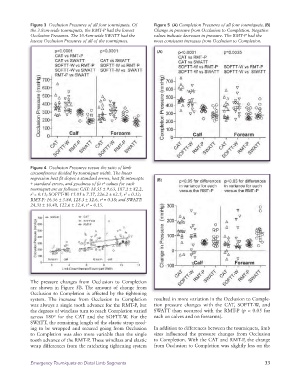
Figure 3  Occlusion Pressures of all four tourniquets. Of   Figure 5  (A) Completion Pressures of all four tourniquets. (B)
              the 3.8cm-wide tourniquets, the RMT-P had the lowest   Change in pressure from Occlusion to Completion. Negative
              Occlusion Pressures. The 10.4cm-wide SWATT had the   values indicate decreases in pressure. The RMT-P had the
              lowest Occlusion Pressures of all of the tourniquets.  most consistent increases from Occlusion to Completion.

                                                                  (A)


              Figure 4  Occlusion Pressures versus the ratio of limb
              circumference divided by tourniquet width. The linear
              regression best fit slopes ± standard errors, best fit intercepts   (B)
              ± standard errors, and goodness of fit r  values for each
                                            2
              tourniquet are as follows: CAT: 18.55 ± 9.63, 187.1 ± 82.2,
              r = 0.11; SOFTT-W: 15.05 ± 7.37, 226.2 ± 62.5, r = 0.12;
                                                     2
              2
              RMT-P: 16.56 ± 3.84, 128.3 ± 32.6, r = 0.38; and SWATT:
                                           2
              24.31 ± 10.40, 122.6 ± 32.4, r = 0.15.
                                     2


              The pressure changes from Occlusion to Completion
              are shown in Figure 5B. The amount of change from
              Occlusion to Completion is affected by the tightening
              system. The increase from Occlusion to Completion     resulted in more variation in the Occlusion to Comple-
              was always a single tooth advance for the RMT-P, but   tion pressure changes with the CAT, SOFTT-W, and
              the degrees of windlass turn to reach Completion  varied   SWATT than occurred with the RMT-P (p < 0.05 for
              across 180° for the CAT and the SOFTT-W. For the   each on calves and on forearms).
              SWATT, the remaining length of the elastic strap need-
              ing to be wrapped and secured going from Occlusion   In addition to differences between the tourniquets, limb
              to Completion was also more variable than the single   sizes  influenced  the  pressure  changes from  Occlusion
              tooth advance of the RMT-P. These windlass and elastic   to Completion. With the CAT and RMT-P, the change
              wrap differences from the ratcheting tightening system   from Occlusion to Completion was slightly less on the


              Emergency Tourniquets on Distal Limb Segments                                                   33

