


Page 125 - JSOM Fall 2025
P. 125
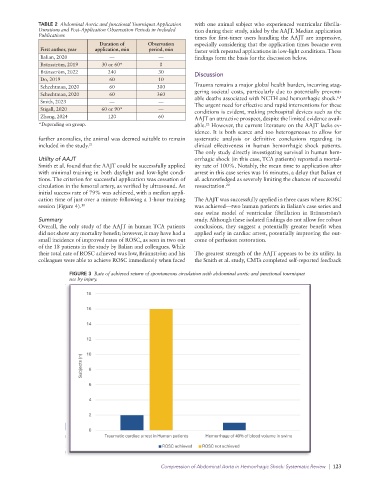
TABLE 1  Detailed Demographic Characteristics of the Included Studies
                                                             No. of
           First author, year         Setting             AAJT subjects    Significant findings regarding the AAJT
           Balian, 2020  18 prehospital TCA patients, HEMS setting in   18  No evidence supports the clinical effectiveness of
                         Sydney, Australia. Clinical case series.    the AAJT.
           Bränsström, 2019  Animal: Comparative animal model study on   12  Transition from AAJT to REBOA was feasible with
                         the transition from AAJT to REBOA           hemodynamic support.
           Bränsström, 2022  Animal: Comparative animal model study   6  Treatment with the AAJT required one seventh of the
                         with REBOA.                                 amount of crystalloids compared to REBOA. AAJT
                                                                     subjects required vasopressor support upon deflation.
           Do, 2019      Animal: Comparative animal model study   6  The AAJT extended survival time, decreased blood loss,
                         with open pelvic packing and preperitoneal   achieved higher tamponade pressure, and improved
                         balloon tamponade.                          survival. Fifty percent of the subjects sustained organ
                                                                     injuries, and 66% died from reperfusion injuries within
                                                                     10 minutes of the release of the AAJT.
           Schechtman, 2020 Animal: Comparative animal model study   10  Use of either device caused a progressive lactic acidosis,
                         with REBOA.                                 reversible only by deflation of the device and whole
                                                                     blood resuscitation.
           Schechtman, 2020 Animal: Comparative animal model study   15  Differences in results stemmed from the choice of
                         with REBOA and different resuscitative fluids.  resuscitative fluids instead of the AAJT or REBOA.
           Smith, 2023   Healthy applications by British CMT   21    The AAJT was easy to use and regarded as having a role
                         operators. Volunteer study on the utility of the   in saving lives by British combat medic technicians.
                         AAJT.
           Stigall, 2020  Animal: Comparative animal model study on   18  An AAJT that is worn and inflated has the potential to
                         the transition from the AAJT to REBOA.      cause improper REBOA cannulation if the transition is
                                                                     made simultaneously.
           Zhang, 2024   Animal: Comparative animal model study   6  The device used with intermittent hemostasis had the
                         with other junctional tourniquets.          most favorable hemodynamic effects.
          AAJT = abdominal aortic and junctional tourniquet; CMT = combat medic technician; HEMS = Helicopter Emergency Medical Services;
          REBOA = resuscitative endovascular balloon occlusion of the aorta; TCA = traumatic cardiac arrest.


                    FIGURE 2  Mortality of abdominal aortic and junctional tourniquet subjects by injury.


          122  |  JSOM   Volume 25, Edition 3 / Fall 2025

