


Page 70 - JSOM Fall 2018
P. 70
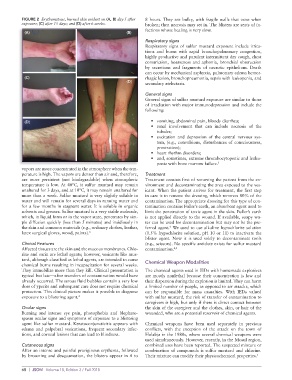
FIGURE 2 Erythematous, burned skin evident on (A, B) day 5 after 8 hours. They are bulky, with fragile walls that ooze when
exposure; (C) after 15 days; and (D) after 6 weeks. broken; then necrosis may set in. The blisters are seats of in
fections whose healing is very slow.
(A) (B)
Respiratory signs
Respiratory signs of sulfur mustard exposure include irrita
tions and burns with rapid bronchopulmonary congestion,
highly productive and purulent intermittent dry cough, chest
constriction, hoarseness and aphonia, bronchial obstruction
by secretions and fragments of necrotic epithelium. Death
can occur by mechanical asphyxia, pulmonary edema hemor
(C) rhagic lesion, bronchopneumonia, sepsis with leukopenia, and
(D) secondary atelectasis.
General signs
General signs of sulfur mustard exposure are similar to those
of irradiation with major immunodepression and include the
following:
(D) • vomiting, abdominal pain, bloody diarrhea;
• renal involvement that can include necrosis of the
tubules;
• excitation and depression of the central nervous sys
tem, (e.g., convulsions, disturbances of consciousness,
prostration);
• heart rhythm disorders;
• and, sometimes, extreme thrombocytopenic and leuko
penia with bone marrow failure. 3
vapors are more concentrated in the atmosphere when the tem
perature is high. The vapors are denser than air and, therefore, Treatment
are more persistent (not biodegradable) when atmospheric Treatment consists first of removing the patient from the en
temperature is low. At 40°C, it sulfur mustard may remain vironment and decontaminating the area exposed to the ves
unaltered for 3 days, and at 10°C, it may remain unaltered for icant. When the patient arrives for treatment, the first step
more than a week. Sulfur mustard is very slightly soluble in in care is to remove the dressing, which removes 80% of the
water and will remain for several days in running water and contamination. The appropriate dressing for this type of con
for a few months in stagnant water. It is soluble in organic tamination contains Fuller’s earth, an absorbent agent used to
solvents and greases. Sulfur mustard is a very stable molecule, limit the penetration of toxic agent in the skin. Fuller’s earth
which, in liquid form or in the vapor state, penetrates by sim is not applied directly to the wound. If available, soapy wa
ple diffusion quickly (less than 5 minutes) and insidiously in ter can be used for decontamination but may not be the pre
the skin and common materials (e.g., ordinary clothes, leather, ferred agent. We used to use alkaline hypochlorite solution
4
latex surgical gloves, wood, paints). 3 (0.5% hypochlorite solution, pH 10 or 11) to inactivate the
blister agent. Now it is used solely to decontaminate tools
Clinical Features (e.g., scissors). No specific antidote exists for sulfur mustard
Affected tissues are the skin and the mucous membranes. Chlo contamination. 4,5
rine and sarin are lethal agents; however, vesicants like mus
tard, although classified as lethal agents, are intended to cause Chemical Weapon Modalities
chemical burns resulting in incapacitation for several weeks.
They immobilize more than they kill. Clinical presentation is The chemical agents used in IEDs with homemade explosives
typical but late—after transfers of contamination would have are mostly nonlethal because their concentration is low and
already occurred. The serous fluid bubbles contain a very low their dispersion during the explosion is limited. They can harm
dose of yperite and subsequent care does not require chemical a limited number of people, as opposed to air attacks, which
protection. This clinical picture makes it possible to diagnose can be responsible for mass casualties. With IEDs valued
exposure to a blistering agent. 2 with sulfur mustard, the risk of transfer of contamination to
caregivers is high, but only if there is direct contact between
Ocular signs the skin of the caregiver and the clothes, skin, or hair of the
Burning and intense eye pain, photophobia and blepharo wounded, who are a potential reservoir of chemical agents.
spasm ocular signs and symptoms of exposure to a blistering
agent like sulfur mustard. Keratoconjunctivitis appears with Chemical weapons have been used separately in previous
edema and palpebral vesications, frequent secondary infec conflicts, with the exception of the attack on the town of
tions, and corneal lesions that can lead to blindness. Halabja in the 1980s, where several chemical weapons were
used simultaneously. However, recently, in the Mosul region,
Cutaneous signs combined uses have been reported. The suspected mixture or
After an intense and painful pruriginous erythema, followed combination of compounds is sulfur mustard and chlorine.
by browning and desquamation, the blisters appear in 4 to Their mixture can modify their physicochemical properties. 5
68 | JSOM Volume 18, Edition 3 / Fall 2018

