


Page 71 - JSOM Summer 2018
P. 71
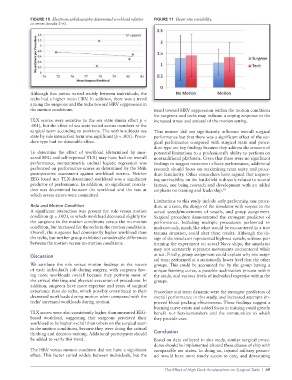
FIGURE 10  Electroencephalography-determined workload relative   FIGURE 11  Heart rate variability.
              to errors (weeks 2–6).


              Although this metric varied widely between individuals, the
              techs had a higher mean HRV. In addition, there was a trend
              among the surgeons and the techs toward HRV suppression in
              the motion conditions.                             trend toward HRV suppression within the motion conditions
                                                                 for surgeons and techs may indicate a coping response to the
              TLX scores were sensitive to the sea state (main effect  p <   increased stress and arousal of the motion setting.
              .001), but the effect of sea state varied across members of the
              surgical team according to positions. The within-subjects sea   That motion did not significantly influence overall surgical
              state by role interaction term was significant (p < .001). Proce-  performance but that there was a significant effect of the sur-
              dure type had no detectable effect.                gical performance compared with surgical team and proce-
                                                                 dure type are key findings because they address the concern of
              To determine the effect of workload (determined by mea-  potential limitations to a professional’s ability to perform on
              sured EEG and self-reported TLX) may have had on overall   nontraditional platforms. Given that there were no significant
              performance,  nonparametric  ordinal logistic regression  was   findings to suggest movement affects performance, additional
              performed on performance scores as determined by the SME   research should focus on maximizing team unity and proce-
              postoperative assessment against workload metrics. Neither   dure familiarity. Other researchers have argued that improv-
              EEG-based nor TLX-determined workload was a significant   ing survivability on the battlefield is directly related to several
              predictor of performance. In addition, no significant correla-  factors, one being research and development with an added
              tion was determined between the workload and the rate at   emphasis on training and leadership. 10
              which severe errors were committed.
                                                                 Limitations to this study include only performing one proce-
              Role and Motion Condition                          dure at a time, the design of the simulator with respect to the
              A significant interaction was present for role versus motion   actual speeds/movements of vessels, and group assignment.
              condition (p = .002), in which workload decreased slightly for   Surgical procedure demonstrated the strongest predictor of
              the surgeons in the motion conditions versus the no-motion   performance.  Including multiple  procedures performed  si-
              condition, but increased for the techs in the motion conditions.   multaneously, much like what would be encountered in a true
              Overall, the surgeons had consistently higher workload than   trauma situation, could alter these results. Although the de-
              the techs, but neither group exhibited considerable differences   sign of the simulator represented high-sea vessels, without per-
              between the motion versus no-motion conditions.    forming the experiment on actual Navy ships, the simulator
                                                                 may not accurately represent movements encountered while
              Discussion                                         at sea. Finally, group assignment could explain why one surgi-
                                                                 cal team performed at a statistically lower level that the other
              We attribute the role versus motion findings to the nature   groups. This could be accounted for by the group having a
              of each individual’s job during surgery, with surgeons hav-  unique learning curve, a possible acclimation process within
              ing more workloads overall because they perform most of   the study, and various levels of individual expertise within the
              the critical thinking and physical execution of procedures. In   groups.
              addition, surgeons have more expertise and years of surgical
              experience than do techs, which possibly contributed to their   Procedure and team dynamic were the strongest predictors of
              decreased workloads during motion when compared with the   overall performance in this study, and increased attempts im-
              techs’ increased workloads during motion.          proved blood packing effectiveness. These findings suggest a
                                                                 learning curve exists and added focus in training could greatly
              TLX scores were also consistently higher than measured EEG-  benefit our Servicemembers and the communities to which
              based workload, suggesting that surgeons perceived their   they provide care.
              workload to be higher overall than others on the surgical team
              in the motion conditions, because they were doing the critical
              thinking and decision-making. Additional participants should   Conclusion
              be added to verify this trend.                     Based on data collected in this study, similar surgical proce-
                                                                 dures should be implemented aboard these classes of ship with
              The HRV versus motion condition did not have a significant   comparable sea states. In doing so, injured military person-
              effect. This factor varied widely between individuals, but the   nel would have more timely access to care, and devastating

                                                                     The Effect of High Deck Accelerations on Surgical Tasks  |  69

