


Page 136 - JSOM Summer 2018
P. 136
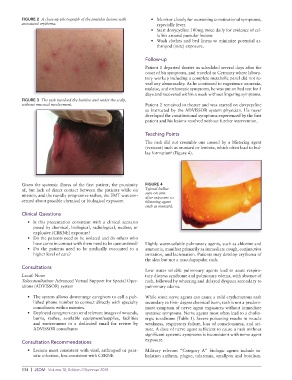
FIGURE 2  A close-up photograph of the pustular lesions with   •  Monitor closely for worsening constitutional symptoms,
          associated erythema.                                    especially fever.
                                                               •  Start doxycycline 100mg twice daily for evidence of cel-
                                                                  lulitis around pustular lesions
                                                               •  Wash clothes and bed linens to minimize potential ar-
                                                                  thropod (mite) exposure.

                                                             Follow-up

                                                             Patient 1 departed theater as scheduled several days after the
                                                             onset of his symptoms, and traveled to Germany where labora-
                                                             tory workup including a complete metabolic panel did not re-
                                                             veal any abnormality. As he continued to experience anorexia,
                                                             malaise, and orthostatic symptoms, he was put on bed rest for 5
                                                             days and recovered within a week without lingering symptoms.
          FIGURE 3  The rash involved the hairline and under the scalp,
          without mucosal involvement.                       Patient 2 remained in theater and was started on doxycycline
                                                             as instructed by the ADVISSOR system physician. He never
                                                             developed the constitutional symptoms experienced by the first
                                                             patient and his lesions resolved without further intervention.


                                                             Teaching Points
                                                             The rash did not resemble one caused by a blistering agent
                                                             (vesicant) such as mustard or lewisite, which often lead to bul-
                                                             lae formation  (Figure 4).
                                                                       6


          Given the systemic illness of the first patient, the proximity   FIGURE 4
          of, but lack of direct contact between the patients while on   Typical bullae
          mission, and the rapidly progressive rashes, the EMT was con-  seen on arm
                                                             after exposure to
          cerned about possible chemical or biological exposure.  blistering agent
                                                             such as mustard.
          Clinical Questions
            •  Is this presentation consistent with a clinical scenario
               posed by chemical, biological, radiological, nuclear, or
               explosive (CBRNE) exposure?
            •  Do the patients need to be isolated and do others who
               have come in contact with them need to be quarantined?  Highly water-soluble pulmonary agents, such as chlorine and
            •  Do  the  patients  need  to  be  medically  evacuated  to  a   ammonia, manifest primarily as immediate cough, conjunctiva
               higher level of care?                         irritation, and lacrimation. Patients may develop erythema of
                                                             the skin but not a maculopapular rash.
          Consultations
                                                             Low water soluble pulmonary agents lead to acute respira-
          Local: None                                        tory distress syndrome and pulmonary edema, with absence of
          Teleconsultation: Advanced Virtual Support for Special Oper-  rash, followed by wheezing and delayed dyspnea secondary to
          ations (ADVISSOR) system                           pulmonary edema.

            •  The system allows downrange caregivers to call a pub-  While some nerve agents can cause a mild erythematous rash
               lished phone number to connect directly with specialty   secondary to first- degree chemical burn, rash is not a predom-
               consultants within minutes.                   inant symptom of nerve agent exposures without immediate
            •  Deployed caregivers can send relevant images of wounds,   systemic symptoms. Nerve agents most often lead to a cholin-
               burns, rashes, available equipment/supplies, facilities   ergic toxidrome (Table 1). Severe poisoning results in muscle
               and environment to a dedicated email for review by   weakness, respiratory failure, loss of consciousness, and sei-
                 ADVISSOR consultants                        zure. A dose of nerve agent sufficient to cause a rash without
                                                             significant systemic symptoms is inconsistent with nerve agent
                                                             exposure.
          Consultation Recommendations
            •  Lesions most consistent with viral, arthropod or para-  Military relevant “Category A” biologic agents include in-
               sitic infection, less consistent with CBRNE   halation anthrax, plague, tularemia, smallpox and botulism.


          134  |  JSOM   Volume 18, Edition 2/Summer 2018

