


Page 120 - Journal of Special Operations Medicine - Winter 2016
P. 120
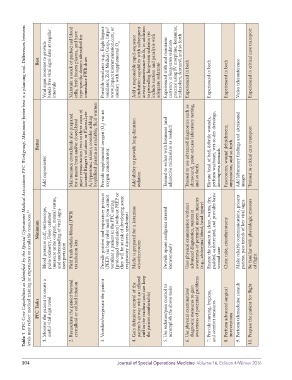
Table 1  PFC Core Capabilities as Identified by the Special Operations Medical Association PFC Workgroup. Minimum-better-best is a planning tool. Differences between


                    Vital signs monitor to provide   intervals  immediate FWB draw  similar) with supplemental O 2  adequate sedation) Experienced with and maintains  currency in long-term sedation   midazolam, fentanyl, and so forth  Experienced in both  Experienced in both  Experienced in both  Video teleconference


                 Best  hands-free vital signs data at regular   Maintain a stock of packed red blood  cells, fresh frozen plasma, and have  type-specific donors identified for   Portable ventilator (e.g., Eagle Impact  ventilator, Zoll Medical Corp., http:// www.impact instrumentation.com; or   Add a responsible rapid-sequence  intubation capability with subsequent  airway maintenance skills, in addition  to providing long-term sedation (to  include suction and paralysis with


                 Better        Maintenance crystalloids also prepared  for a major burn and/or closed-head  injury resuscitation (two to three cases of  lactated Ringer’s solution or PlasmaLyte  A; hypertonic saline); consider adding  lyophilized plasma as available; fluid warmer Provide supplemental oxygen (O 2 ) via an   Add ability to provide long-duration   Trained to sedate with ketamine (and  adjunctive midazolam as needed)  Trained to use advanced diagnostics such as


                    Add capnometry            oxygen concentrator  sedation        and so forth  decompress stomach  amputation, and so forth  images


                    Blood pressure cuff, stethoscope,  pulse oximetry, Foley catheter   and understanding of vital signs   interpretation Field fresh whole-blood (FWB)   transfusion kits  ventilate a patient in the PFC setting   respiratory distress syndrome) Medic is prepared for a ketamine   cricothyrotomy  Provide opiate analgesics titrated   intravenously  Uses physical examination without  advanced diagnostics, maintain   (e.g., abdominal bleed, head injury)  wound care
              levels may reflect medical training or experience or available resources. 11

                 Minimum  (measure urine output), mental status,   Provide positive end-expiratory pressure  (PEEP) via bag-valve mask (you cannot  [prolonged ventilation] without PEEP or  they will be at risk of developing acute   awareness of potential unseen injuries   Ensure the patient is clean, warm, dry,  padded, catheterized, and provides basic   Make reliable communications, present   Be familiar with physiologic stressors


                    Monitor the patient to create a   Resuscitate the patient beyond   patient’s airway with an inflated  cuff in the trachea (and can keep   awareness of potential problems


                 PFC Tasks  useful vital sign trend  crystalloid or colloid infusion  3. Ventilate/oxygenate the patient  Gain definitive control of the   the patient comfortable)  Use sedation/pain control to  accomplish the above tasks  Use physical examination/ diagnostic measures to gain   Provide nursing, hygiene,  and comfort measures  Perform advanced surgical   9. Perform telemedicine consult  10. Prepare the patient for flight


                    1.         2.                        4.           5.       6.       7.     8.    interventions


          104                                    Journal of Special Operations Medicine  Volume 16, Edition 4/Winter 2016

