


Page 100 - JSOM Fall 2022
P. 100
compressive effect of the harness can be more severe than solo Operational Considerations in the Evaluation and
skydiving as the passenger is essentially squeezed between the Management of a Pneumothorax
chest strap in front and the tandem instructor behind. This In the event a military parachutist or tandem passenger presented
force distribution on the chest is most analogous to that of the with thoracic trauma and signs and symptoms of a significant
load distributing band type of mechanical CPR device, which pneumothorax or tension pneumothorax, they should be treated
has been shown to cause pneumothoraces, rib fractures, and emergently. However, if there is a subacute presentation in a
24
subcutaneous emphysema (Figure 3). 18 stable patient, observation with or without oxygen supplemen
tation can be considered. Up to 80% of small pneumothoraces
(<15% of pleural volume) will not further accumulate or recur
when managed conservatively. The rate of resorption can be in
25
creased by a factor of four with the administration of 100% oxy
gen. If the patient has stable to improving symptoms or findings
on repeat CXR or ultrasound, no further intervention is neces
sary. The proximity of definitive care, availability of resources
26
in the field, and other mission specific factors should be consid
ered, but the patient may not require emergent evacuation.
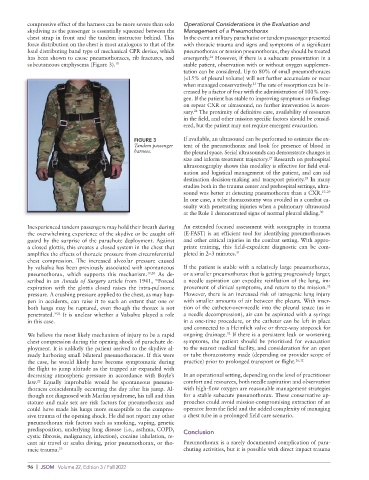
FIGURE 3 If available, an ultrasound can be performed to estimate the ex
Tandem passenger tent of the pneumothorax and look for presence of blood in
harness. the pleural space. Serial ultrasounds can demonstrate changes in
size and inform treatment trajectory. Research on prehospital
27
ultrasonography shows this modality is effective for field eval
uation and logistical management of the patient, and can aid
destination decisionmaking and transport priority. In many
28
studies both in the trauma center and prehospital settings, ultra
sound was better at detecting pneumothorax than a CXR. 27–29
In one case, a tube thoracostomy was avoided in a combat ca
sualty with penetrating injuries when a pulmonary ultrasound
at the Role 1 demonstrated signs of normal pleural sliding. 30
Inexperienced tandem passengers may hold their breath during An extended focused assessment with sonography in trauma
the overwhelming experience of the skydive or be caught off (EFAST) is an efficient tool for identifying pneumothoraces
guard by the surprise of the parachute deployment. Against and other critical injuries in the combat setting. With appro
a closed glottis, this creates a closed system in the chest that priate training, this fieldexpedient diagnostic can be com
amplifies the effects of thoracic pressure from circumferential pleted in 2–3 minutes. 31
chest compression. The increased alveolar pressure caused
by valsalva has been previously associated with spontaneous If the patient is stable with a relatively large pneumothorax,
pneumothorax, which supports this mechanism. 19,20 As de or a smaller pneumothorax that is getting progressively larger,
scribed in an Annals of Surgery article from 1941, “Forced a needle aspiration can expedite reinflation of the lung, im
32
expiration with the glottis closed raises the intrapulmonic provement of clinical symptoms, and return to the mission.
pressure. A crushing pressure applied to the chest, as may hap However, there is an increased risk of iatrogenic lung injury
pen in accidents, can raise it to such an extent that one or with smaller amounts of air between the pleura. With inser
both lungs may be ruptured, even though the thorax is not tion of the catheteroverneedle into the pleural space (as in
penetrated.” It is unclear whether a Valsalva played a role a needle decompression), air can be aspirated with a syringe
21
in this case. in a onetime procedure, or the catheter can be left in place
and connected to a Heimlich valve or threeway stopcock for
32
We believe the most likely mechanism of injury to be a rapid ongoing drainage. If there is a persistent leak or worsening
chest compression during the opening shock of parachute de symptoms, the patient should be prioritized for evacuation
ployment. It is unlikely the patient arrived to the skydive al to the nearest medical facility, and consideration for an open
ready harboring small bilateral pneumothoraces. If this were or tube thoracostomy made (depending on provider scope of
the case, he would likely have become symptomatic during practice) prior to prolonged transport or flight. 26,32
the flight to jump altitude as the trapped air expanded with
decreasing atmospheric pressure in accordance with Boyle’s In an operational setting, depending on the level of practitioner
law. Equally improbable would be spontaneous pneumo comfort and resources, both needle aspiration and observation
22
thoraces coincidentally occurring the day after his jump. Al with highflow oxygen are reasonable management strategies
though not diagnosed with Marfan syndrome, his tall and thin for a stable subacute pneumothorax. These conservative ap
stature and male sex are risk factors for pneumothorax and proaches could avoid missioncompromising extraction of an
could have made his lungs more susceptible to the compres operator from the field and the added complexity of managing
sive trauma of the opening shock. He did not report any other a chest tube in a prolonged field care scenario.
pneumothorax risk factors such as smoking, vaping, genetic
predisposition, underlying lung disease (i.e., asthma, COPD,
cystic fibrosis, malignancy, infection), cocaine inhalation, re Conclusion
cent air travel or scuba diving, prior pneumothorax, or tho Pneumothorax is a rarely documented complication of para
racic trauma. 23 chuting activities, but it is possible with direct impact trauma
96 | JSOM Volume 22, Edition 3 / Fall 2022

