


Page 90 - JSOM Fall 2018
P. 90
Operators to build and maintain a set of beliefs, principles, environment in question and evaluating how this context or
and values during times of stress. As discussed, the develop environment would challenge the abilities of focus, openness,
ment of these beliefs, principles, and values allows individuals and cognitive flexibility. The evaluation would consist of look
to establish a unique identity that guides their character, dis ing at how to adjust each of these capabilities in the future to
position, decisionmaking, and integrity. From an individual respond more effectively. Upon completing the evaluation, the
15
perspective, an SOF Operator is likely to have developed a individual would practice the future model, presumably with
set of personal qualities (derived from religious, philosophical, role players involved.
and/or human values and experiences) that sustain them in
times of hardship. These may include the concepts of tran In terms of how CAT might be effectively applied to SOF Op
scendence and ultimate meaning, but a broader, nonreligious erators and enablers, it is helpful to first look at how they
definition is particularly appropriate for the SOF community, conduct training for other complex skills and tasks. Effective
because the range of beliefs within the community will span training in SOF requires development of a complex skill set
the entire spectrum of spirituality, from religious to secular. first by focusing on mastering each of the basic skills and then
The ultimate purpose is, itself, transcendence across the diver integrating and coordinating the knowledge and qualitatively
sity of beliefs. different basic skills into the complex task through increasingly
difficult training iterations. The result is a full mission profile
Many areas of spiritual fitness overlap with one of the oldest training scenario that most closely replicates the environment
warrior codes, bushido. Bushido is the code that defined eight they expect to encounter. Once DDM environments have been
different tenets to which a samurai must adhere. The bushido identified within the context of the SOF Operator’s daily life
valuesbased prescription for life implied a warrior must seek at work and home, practice would include developing scenar
opportunities for growth that also provide meaning, purpose, ios that most closely replicate their lives and in which they
and mission in life. Table 1 presents the eight virtues of the would encounter role players presenting specific challenges to
samurai as put forward by Inazo Nitobé. Although Nito remaining in singular states of either focus or openness.
16
bé’s work is generally considered a romanticized view of the
samurai culture, it is generally accepted as an excellent sum Training Scenarios
mary of the Samurai code. This warrior ethos resonates deeply
within the SOF community and the samurai code of bushido, One possible military example could entail placing SOF Op
although not broadly well known to SOF, does provide an eas erators in a training scenario where they are patrolling to an
ily understood context for communicating the importance of objective and must maintain an open mind set is imperative.
spirituality and cognitive agility. During an informal interview The ability to maintain openness by being acutely aware of the
on the topic of optimizing Operator performance, a Special situation in its entirety to identify potential sources of cover
Forces Battalion Command Sergeant Major stated, “Every in the event of fire fights, chokepoints, improvised explosive
pursuit of excellence has a spiritual component.” 16 devices, enemy fighting positions, and so forth would help
prevent the Operator from becoming too focused on any one
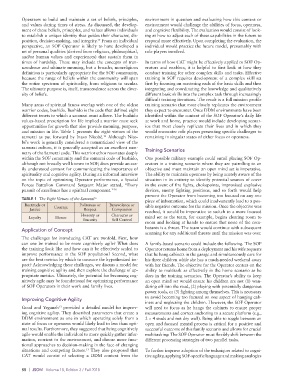
TABLE 1 The Eight Virtues of the Samurai 16 piece of information, which could inadvertently lead to a pos
Rectitude or Politeness or Benevolence or sible negative outcome for the mission. Once the objective was
Justice Courage Respect Compassion reached, it would be imperative to switch to a more focused
Honesty or Character or
Loyalty Honor Sincerity Self Control mind set as the team, for example, begins clearing room to
room and looking at hands to ensure that none of the com
batants is a threat. The team would continue with subsequent
Application of Concept
scanning for any additional threats until the mission was over.
The challenges for introducing CAT are twofold. First, how
can one be trained to be more cognitively agile? What does A familybased scenario could include the following. The SOF
the training look like and how can it be effectively scaled to Operator returns home from a deployment and his wife requests
improve performance in the SOF population? Second, what that he hang cabinets in the garage and simultaneously care for
are the best metrics by which to measure the hypothesized im his three children while she has a muchneeded weekend away
pact? Acknowledging these challenges, we discuss a model for with her friends. The objective for the Operator centers on the
training cognitive agility and then explore the challenge of ap ability to multitask as effectively in the home scenario as he
propriate metrics. Ultimately, the potential for becoming cog does in the training scenarios. The Operator’s ability to keep
nitively agile may be foundational for optimizing performance an open mind set would ensure his children are not (1) wan
of SOF Operators in their work and family lives. dering off into the road, (2) playing with potentially dangerous
power tools, or (3) fighting among themselves. This is necessary
to avoid becoming too focused on one aspect of hanging cab
Improving Cognitive Agility
inets and neglecting the children. However, the SOF Operator
Good and Yeganeh provided a detailed model for improv will need to focus as he hangs the cabinets to ensure proper
13
ing cognitive agility. They described parameters that create a measurements and correct anchoring to a secure platform (e.g.,
DDM environment as one in which operating solely from a 2 × 4 studs and not dry wall). Being able to toggle between an
state of focus or openness would likely lead to less than opti open and focused mental process is critical for a positive and
mal results. Furthermore, they suggested that being cognitively successful outcome of this family scenario and allows for crucial
agile would enable the individual to more quickly gather infor multitasking: The SOF Operator must flexibly shift between the
mation, reorient to the environment, and choose more func different processing strategies of two parallel tasks.
tional approaches to decisionmaking in the face of changing
situations and competing factors. They also proposed that To further improve adoption of the techniques related to cogni
13
CAT would consist of selecting a DDM context from the tive agility, applying SOFspecific language and making analogies
88 | JSOM Volume 18, Edition 3 / Fall 2018

