


Page 62 - JSOM Fall 2018
P. 62
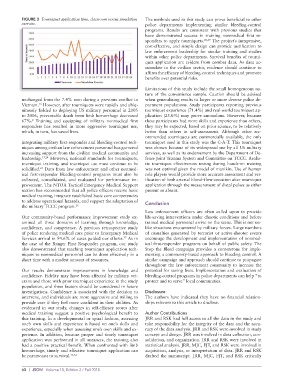
FIGURE 3 Tourniquet application time, classroom versus simulation The methods used in this study can prove beneficial to other
exercise. police departments implementing similar bleedingcontrol
programs. Results are consistent with previous studies that
have demonstrated success in training nonmedical first re
sponders to apply tourniquets. 28,29 The project’s inexpensive,
costeffective, and simple design can provide justification to
law enforcement leadership for similar training and studies
within other police departments. Survival benefits of tourni
quet application are evident from combat data. As data ac
cumulate in the civilian sector, evidence should continue to
affirm the efficacy of bleedingcontrol techniques and promote
benefits over potential risks.
Limitations of this study include the small homogeneous na
ture of the convenience sample. Caution should be advised
unchanged from the 7.4% seen during a previous conflict in when generalizing results to larger or more diverse police de
Vietnam. However, after tourniquets were rapidly and ubiq partment populations. Study participants reporting previous
23
uitously fielded to deploying US military personnel in 2005 tourniquet experience (71.4%) and realworld tourniquet ap
to 2006, preventable death from limb hemorrhage decreased plication (25.0%) may prove anomalous. However, because
67%. Training and equipping of military nonmedical first these participants had more skills and experience than others,
2
responders has resulted in more aggressive tourniquet use, they may be expected, based on prior science, to be relatively
which, in turn, has saved lives. better than others in selfassessment. Although other rec
ommended tourniquets are commercially available, the only
Integrating military firstresponder and bleedingcontrol tech tourniquet used in this study was the CAT. This tourniquet
niques among civilian law enforcement personnel has garnered was chosen because of its widespread use by all US military
increasing support from the civilian medical community and services, as well as its endorsement by the Department of De
leadership. 17,24 However, national standards for tourniquets, fense Joint Trauma System and Committee on TCCC. Realis
tourniquet training, and tourniquet use must continue to be tic tourniquet effectiveness testing during handson training
solidified. Data from law enforcement and other nonmed was not optimal given the model of manikin. Use of human
25
ical firstresponder bleedingcontrol programs must also be role players would provide more accurate assessment and ver
collected, consolidated, and evaluated for performance im ification of limb arterial blood–flow cessation after tourniquet
provement. The NTOA Tactical Emergency Medical Support application through the measurement of distal pulses as either
section has recommended that all police officers receive basic present or absent.
medical training, integrate established basic core competencies
to address operational hazards, and support the adaptation of Conclusion
the military TCCC program. 26
Law enforcement officers are often called upon to provide
Our communitybased performance improvement study ex lifesaving interventions under chaotic conditions and before
amined all three domains of learning through knowledge, trained medical personnel arrive on the scene. This is not un
confidence, and competence. A previous retrospective study like situations encountered by military forces. Large numbers
of police rendering medical care prior to Emergency Medical of casualties generated by terrorist or activeshooter events
27
Services arrival in 94.6% of cases guided our efforts. As in encourage the development and implementation of nonmed
the case of the Ranger First Responder program, our study ical firstresponder programs on behalf of public safety. The
also demonstrated that teaching tourniquet application tech Stop the Bleed campaign provides a cornerstone for imple
niques to nonmedical personnel can be done effectively in a menting a communitybased approach to bleeding control. A
short time with a modest amount of resources. similar campaign and approach should continue to propagate
throughout the law enforcement community to increase the
Our results demonstrate improvements in knowledge and potential for saving lives. Implementation and evaluation of
confidence. Fidelity may have been affected by military vet bleedingcontrol programs in police departments can help “to
erans and those with prior tourniquet experience in the study protect and to serve” local communities.
population, and these factors should be considered in future
investigations. Confidence is associated with the decision to Disclosure
intervene, and individuals are more aggressive and willing to The authors have indicated they have no financial relation
provide care if they feel more confident in their abilities. As ships relevant to this article to disclose.
evidenced in our study, changes in selfefficacy scores after
medical training suggest a positive psychological benefit to Author Contributions
this training. In a developmental or spiral fashion, assessing JRR and RSK had full access to all the data in the study and
one’s own skills and experience is based on one’s skills and take responsibility for the integrity of the data and the accu
experience, especially when assessing one’s own skills and ex racy of the data analysis. JRR and RSK were involved in study
perience. In addition, because proper and timely tourniquet concept and design. JRR was involved in data collection, con
application was performed in all instances, the training also solidation, and organization. JRR and RSK were involved in
had a positive practical benefit. When confronted with limb statistical analysis. JRR, MJC, FJT, and RSK were involved in
hemorrhage, timely and effective tourniquet application can acquisition, analysis, or interpretation of data. JRR and RSK
be paramount to survival. 12,16 drafted the manuscript. JRR, MJC, FJT, and RSK critically
60 | JSOM Volume 18, Edition 3 / Fall 2018

