


Page 21 - JSOM Fall 2018
P. 21
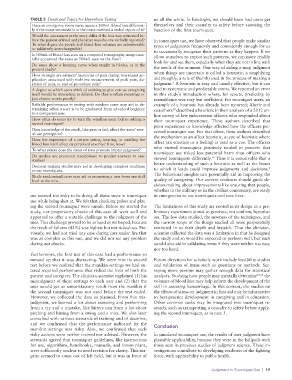
TABLE 3 Developed Topics for Hypothesis Testing us all the while. In hindsight, we should have had users get
Does an emergency room nurse assess a 500mL blood loss different themselves and their casualty to safety before assessing the
ly if the nurse witnessed it or the nurse received a verbal report of it? function of the first tourniquet.
Would the assessment in the story differ if the loss was witnessed be
fore the patient arrived and the latter was the one verbally reported? In tourniquet use, we have observed that people make similar
To what degree do people feel bloodloss volumes are substitutable types of judgments frequently and consistently enough for us
or additively interchangeable? to occasionally recognize their patterns as they happen. If we
Is 500mL of blood loss seen on a computed tomography image men allow ourselves to expect such patterns, we can more readily
tally accounted the same as 500mL seen on the floor? look for and see them, especially when they are not in line with
Do users show a learning curve when taught in blocks, as in the the needs of the moment. One way of aiding a snap judgment
pres ent study? when things are uncertain is called a heuristic, a simplifying
How strongly are subjects’ memories of pain during tourniquet ap
plication associated with realtime measurements of peak pain, du aid (roughly, a rule of thumb) used in the process of making a
3
ration of pain, or endofprocedure pain? judgment. A heuristic is easy and usually effective, but it can
A degree to which users think of training to give care as caregiving lead to systematic and predictable errors. We reported an error
itself would be interesting to delimit. Do they conflate meanings or in this study’s introduction where, for scouts, predicting by
just choose words poorly? resemblance was easy but inefficient. For tourniquet users, an
Reliable performance in testing with random cases may aid in de example of a heuristic has already been reported; Aberle and
termining when a user is to be graduated from advanced beginner coauthors described a heuristic in their analysis of a 2012 on
10
to a competent user. line survey of law enforcement officers who responded about
How often do users try to turn the windlass more before adding a their tourniquet experience. These authors described that
second tourniquet? prior experience or knowledge affected how the officers per
Does knowledge of the result, like pass or fail, affect the users’ ease ceived tourniquet use. For that effect, these authors described
ofuse perception? the mechanism as an affect heuristic, a type of heuristic where
Does the experience of a person seeing, hearing, or smelling the affect (an emotion or a feeling) is used as a cue. The officers
blood loss itself affect its perceived severity? If so, how? who viewed tourniquets positively tended to perceive that
To what extent does the stress of time pressure impair judgment? tourniquet use risked less potential harm than officers who
Do medics use perceived resemblance to predict answers to case viewed tourniquets differently. Thus it is conceivable that a
10
studies? better understanding of such a heuristic as well as the biases
Decisionmaking studies may aid in developing caregiver readiness 3
to use tourniquets. to which it leads could improve judgments and decisions.
Blockrandomized cases may aid in promoting a user from one skill The behavioral insights can potentially aid in improving the
level to the next. quality of caregiving. Our current readiness should guide de
cisionmaking about improvements like ensuring that people,
whether in the military or in the civilian community, are ready
use seemed too risky to be doing all those steps in tourniquet in emergencies to use tourniquets and save lives.
use while being shot at. We felt that checking pulses and plac
ing the second tourniquet were unsafe. Before we started the The limitations of this study are rooted in its design as a pre
study, our preparatory checks of this case all went well and liminary experiment aimed to generate, not confirm, hypothe
appeared to offer a suitable challenge to the judgment of the ses. The few data studied, the newness of the techniques, and
user. This challenge proved to be as hard as we hoped, because the narrow scope of the things studied all were purposefully
the result of failures (42%) was highest but not ridiculous. Pre restricted in to their depth and breadth. That the clinician
viously, we had not tried any case during care under fire that scientist collected the data was a limitation in that he designed
was as complex as this one, and we did not see any problem the study and so would be expected to perform well, but such
during our checks. would also aid in validating items if they were neither too easy
nor too hard.
Furthermore, the first test of this case had a performance so
messed up that it was distracting. We were into its second Future directions for scholarly work include feasibility studies
test before we realized that the manikin settings we had en and validation of items such as questions or methods. Sur
tered required performance that risked the lives of both the veying more persons may gather enough data for statistical
patient and caregiver. The clinicianscientist explained (1) his analyses. Studying how people may mentally determine 35,36 the
misjudgment of these settings to each user and (2) that the volumes of blood loss may help inform the development of the
user would get an unsatisfactory result from the manikin if skill in assessing hemorrhage. In this context, the studies on
the second tourniquet was not used before the test ended. the effects of stress on judgment in first aid may be informative
However, we collected the data as planned. From this mis to bestpractice development in caregiving and in education.
judgment, we learned a lot about assessing and performing Other common tasks may be integrated into tourniquet re
from a try and a mistake, like hitters can learn a lot about search, such as transporting a casualty to safety before apply
pitching and hitting from a swing and a miss. We also later ing the second tourniquet, as in case 5.
consulted with various stewards of training and of doctrine,
and we confirmed that the performance indicated by the Conclusion
manikin settings was risky. Also, we confirmed that such
risky actions were neither trained nor advised. However, the In simulated tourniquet use, the results of user judgment have
stewards agreed that tourniquet guidelines, like instructions plausible applicability, because they were in the ballpark with
for use, algorithms, handbooks, manuals, and lesson plans, those seen in previous studies of judgment science. These in
were sufficiently unclear to need revision for clarity. This sur vestigations contribute to developing readiness of the fighting
prise seemed to come out of left field, but it was in front of force, with applicability to public health.
Judgment in Tourniquet Use | 19

