


Page 76 - Journal of Special Operations Medicine - Winter 2014
P. 76
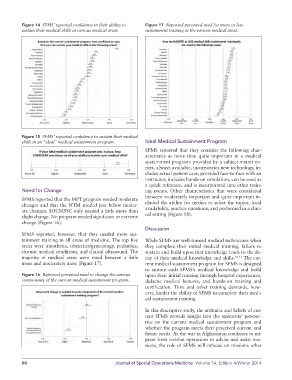
Figure 14  SFMS’ reported confidence in their ability to   Figure 17  Reported perceived need for more or less
          sustain their medical skills in various medical areas.  sustainment training in the various medical areas.


          Figure 15  SFMS’ reported confidence to sustain their medical
          skills in an “ideal” medical sustainment program.  Ideal Medical Sustainment Program
                                                             SFMS reported that they consider the following char-
                                                             acteristics as more than quite important in a medical
                                                             sustainment program: provided by a subject-matter ex-
                                                             pert, always available, incorporates new technology, in-
                                                             cludes actual patient care, provided face-to-face with an
                                                             instructor, includes hands-on simulation, can be used as
                                                             a quick reference, and is incorporated into other train-
          Need for Change                                    ing events. Other characteristics  that were considered
          SFMS reported that the MPT program needed moderate   between moderately important and quite important in-
          changes and that the NTM needed just below moder-  cluded the ability for medics to select the topics, local
          ate changes. SOCMSSC only needed a little more than   availability, practice questions, and performed in a clini-
          slight change. No program needed significant or  extreme   cal setting (Figure 18).
          change (Figure 16).
                                                             Discussion
          SFMS reported, however, that they needed more sus-
          tainment training in all areas of medicine. The top five   While SFMS are well-trained medical technicians when
          areas were  anesthesia,  obstetrics/gynecology,  pediatrics,   they complete  their initial medical  training, failure to
          chronic medical conditions, and clinical ultrasound. The   sustain and build upon that knowledge leads to the de-
          majority of medical areas were rated between a little   cay of their medical knowledge and skills. 20,21  The cur-
          more and moderately more (Figure 17).              rent medical sustainment program for SFMS is designed
                                                             to sustain each SFMS’s medical knowledge and build
          Figure 16  Reported perceived need to change the various   upon their initial training through hospital experiences,
          components of the current medical sustainment program.  didactic medical lectures, and hands-on training and
                                                             certification. Time and other training demands, how-
                                                             ever, hinder the ability of SFMS to complete their medi-
                                                             cal sustainment training.

                                                             In this descriptive study, the attitudes and beliefs of cur-
                                                             rent SFMS provide insight into the operators’ perspec-
                                                             tive on the current medical sustainment program and
                                                             whether the program meets their perceived current and
                                                             future needs. As the war in Afghanistan continues to mi-
                                                             grate from combat operations to advise and assist mis-
                                                             sions, the role of SFMS will refocus on missions other


          66                                     Journal of Special Operations Medicine  Volume 14, Edition 4/Winter 2014

