


Page 75 - Journal of Special Operations Medicine - Winter 2014
P. 75
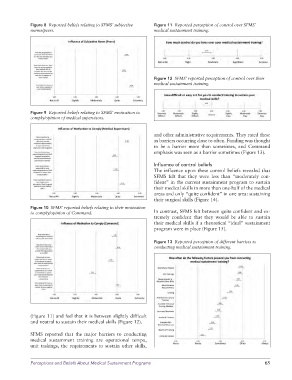
Figure 8  Reported beliefs relating to SFMS’ subjective   Figure 11  Reported perception of control over SFMS’
              norms/peers.                                       medical sustainment training.


                                                                 Figure 12  SFMS’ reported perception of control over their
                                                                 medical sustainment training.


              Figure 9  Reported beliefs relating to SFMS’ motivation to
              comply/opinion of medical supervisors.


                                                                 and other administrative requirements. They rated these
                                                                 as barriers occurring close to often. Funding was thought
                                                                 to be a barrier more than sometimes, and Command
                                                                   emphasis was seen as a barrier sometimes (Figure 13).


                                                                 Influence of control beliefs
                                                                 The influence upon these control beliefs revealed that
                                                                 SFMS felt that they were less than “moderately con-
                                                                 fident” in the current sustainment program to sustain
                                                                 their medical skills in more than one-half of the medical
                                                                 areas and only “quite confident” in one area: sustaining
                                                                 their surgical skills (Figure 14).
              Figure 10  SFMS’ reported beliefs relating to their motivation
              to comply/opinion of Command.                      In contrast, SFMS felt between quite confident and ex-
                                                                 tremely confident that they would be able to sustain
                                                                 their medical skills if a theoretical “ideal” sustainment
                                                                 program were in place (Figure 15).


                                                                 Figure 13  Reported perception of different barriers to
                                                                 conducting medical sustainment training.


              (Figure 11) and feel that it is between slightly difficult
              and neutral to sustain their medical skills (Figure 12).

              SFMS reported that the major barriers to conducting
              medical sustainment training are operational tempo,
              unit  taskings,  the  requirements  to  sustain  other  skills,


              Perceptions and Beliefs About Medical Sustainment Programs                                      65

