


Page 382 - ATP-P 11th Ed
P. 382
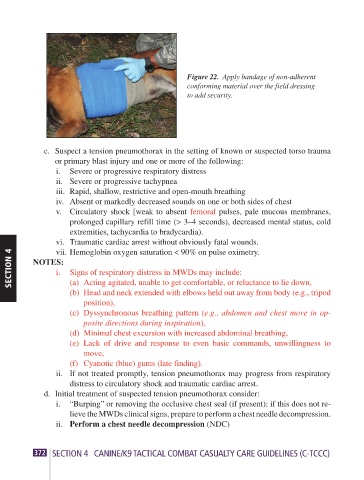
Figure 22.  Apply bandage of non-adherent
                                          conforming material over the field dressing
                                          to add security.


           c.  Suspect a tension pneumothorax in the setting of known or suspected torso trauma
             or primary blast injury and one or more of the following:
             i.  Severe or progressive respiratory distress
             ii.  Severe or progressive tachypnea
             iii.  Rapid, shallow, restrictive and open-mouth breathing
             iv.  Absent or markedly decreased sounds on one or both sides of chest
             v.  Circulatory shock [weak to absent femoral pulses, pale mucous membranes,
                prolonged capillary refill time (> 3–4 seconds), decreased mental status, cold
                extremities, tachycardia to bradycardia).
             vi.  Traumatic cardiac arrest without obviously fatal wounds.
             vii. Hemoglobin oxygen saturation < 90% on pulse oximetry.
   SECTION 4  NOTES:
             i.  Signs of respiratory distress in MWDs may include:
                (a)  Acting agitated, unable to get comfortable, or reluctance to lie down,
                (b)  Head and neck extended with elbows held out away from body (e.g., tripod
                   position),
                (c)  Dyssynchronous breathing pattern (e.g., abdomen and chest move in op-
                   posite directions during inspiration),
                (d)  Minimal chest excursion with increased abdominal breathing,
                (e)  Lack of drive and response to even basic commands, unwillingness to
                   move,
                (f)  Cyanotic (blue) gums (late finding).
             ii.  If not treated promptly, tension pneumothorax may progress from respiratory
                distress to circulatory shock and traumatic cardiac arrest.
           d.  Initial treatment of suspected tension pneumothorax consider:
             i.  “Burping” or removing the occlusive chest seal (if present); if this does not re-
                lieve the MWDs clinical signs, prepare to perform a chest needle decompression.
             ii.  Perform a chest needle decompression (NDC)


          372  SECTION 4   CANINE/K9 TACTICAL COMBAT CASUALTY CARE GUIDELINES (C-TCCC)

