


Page 33 - JSOM Summer 2025
P. 33
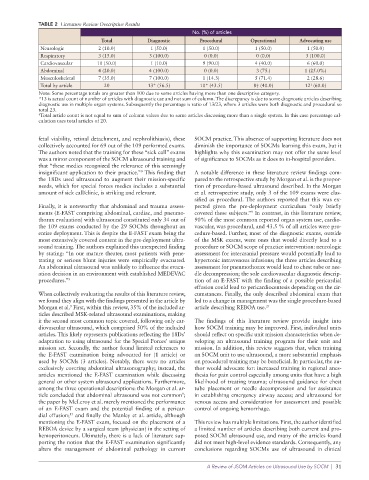
TABLE 2  Literature Review Descriptive Results
                                                                No. (%) of articles
                                  Total          Diagnostic       Procedural       Operational     Advocating use
              Neurologic         2 (10.0)         1 (50.0)         1 (50.0)         1 (50.0)         1 (50.0)
              Respiratory        3 (15.0)         3 (100.0)         0 (0.0)          0 (0.0)         3 (100.0)
              Cardiovascular     10 (50.0)        1 (10.0)         9 (90.0)         4 (40.0)         6 (60.0)
              Abdominal          4 (20.0)         4 (100.0)         0 (0.0)          3 (75.)         1 (25.0%)
              Musculoskeletal    7 (35.0)         7 (100.0)        1 (14.3)         5 (71.4)         2 (28.6)
              Total by article     20            13* (56.5)       10* (43.5)        8† (40.0)        12  (60.0)
                                                                                                      †
              Note: Some percentage totals are greater than 100 due to some articles having more than one descriptive category.
              *13 is actual count of number of articles with diagnostic use and not sum of column. The discrepancy is due to some diagnostic articles describing
              diagnostic use in multiple organ systems. Subsequently the percentage is ratio of 13/23, where 3 articles were both diagnostic and procedural so
              total 23.
              † Total article count is not equal to sum of column values due to some articles discussing more than a single system. In this case percentage cal-
              culation uses total articles of 20.


              fetal viability, retinal detachment, and nephrolithiasis), these   SOCM practice. This absence of supporting literature does not
              collectively accounted for 69 out of the 109 performed exams.   diminish the importance of SOCMs learning this exam, but it
              The authors noted that the training for these “sick call” exams   highlights why this examination may not offer the same level
              was a minor component of the SOCM ultrasound training and   of significance to SOCMs as it does to in-hospital providers.
              that “these medics recognized the relevance of this seemingly
              insignificant application to their practice.”  This finding that   A notable difference in these literature review findings com-
                                               9
              the 18Ds used ultrasound to augment their mission-specific   pared to the retrospective study by Morgan et al. is the propor-
              needs, which for special forces medics includes a substantial   tion of procedure-based ultrasound described. In the Morgan
              amount of sick call/clinic, is striking and relevant.  et al. retrospective study, only 3 of the 109 exams were clas-
                                                                 sified as procedural. The authors reported that this was ex-
              Finally, it is noteworthy that abdominal and trauma assess-  pected given the pre-deployment curriculum  “only briefly
                                                                                   9
              ments (E-FAST comprising abdominal, cardiac, and pneumo-  covered these subjects.”  In contrast, in this literature review,
              thorax evaluation) with ultrasound constituted only 34 out of   90% of the most common reported organ system use, cardio-
              the 109 exams conducted by the 29 SOCMs throughout an   vascular, was procedural, and 43.5 % of all articles were pro-
              entire deployment. This is despite the E-FAST exam being the   cedure-based. Further, most of the diagnostic exams, outside
              most extensively covered content in the pre-deployment ultra-  of the MSK exams, were ones that would directly lead to a
              sound training. The authors explained this unexpected finding   procedure or SOCM scope of practice intervention: neurologic
              by stating: “In our mature theater, most patients with pene-  assessment for intercranial pressure would potentially lead to
              trating  or serious  blunt  injuries were  empirically  evacuated.   hypertonic intravenous infusions; the three articles describing
              An abdominal ultrasound was unlikely to influence the evacu-  assessment for pneumothorax would lead to chest tube or nee-
              ation decision in an environment with established MEDEVAC   dle decompression; the sole cardiovascular diagnostic descrip-
              procedures.” 9                                     tion of an E-FAST with the finding of a possible pericardial
                                                                 effusion could lead to pericardiocentesis depending on the cir-
              When collectively evaluating the results of this literature review,   cumstances. Finally, the only described abdominal exam that
              we found they align with the findings presented in the article by   led to a change in management was the single procedure-based
              Morgan et al.  First, within this review, 35% of the included ar-  article describing REBOA use. 21
                        9
              ticles described MSK-related ultrasound examinations, making
              it the second most common topic covered, following only car-  The findings of this literature review provide insight into
              diovascular ultrasound, which comprised 50% of the included   how SOCM training may be improved. First, individual units
              articles. This likely represents publications reflecting the 18Ds’   should reflect on specific unit mission characteristics when de-
              adaptation to using ultrasound for the Special Forces’ unique   veloping an ultrasound training  program for their unit and
              mission set. Secondly, the author found limited references to   mission. In addition, this review suggests that, when training
              the E-FAST examination being advocated for (1 article) or   an SOCM unit to use ultrasound, a more substantial emphasis
              used by SOCMs (3 articles). Notably, there were no articles   on procedural training may be beneficial. In particular, the au-
              exclusively covering abdominal ultrasonography; instead, the   thor would advocate for: increased training in regional anes-
              articles mentioned the E-FAST examination while discussing   thesia for pain control especially among units that have a high
              general or other system ultrasound applications. Furthermore,   likelihood of treating trauma; ultrasound guidance for chest
              among the three operational descriptions: the Morgan et al. ar-  tube placement or needle decompression and for assistance
                                                             9
              ticle concluded that abdominal ultrasound was not common ;   in establishing emergency airway access; and ultrasound for
              the paper by McLeroy et al. merely mentioned the performance   venous access and consideration for assessment and possible
              of an E-FAST exam and the potential finding of a pericar-  control of ongoing hemorrhage.
                        15
              dial effusion;  and finally the Manley et al. article, although
              mentioning the E-FAST exam, focused on the placement of a   This review has multiple limitations. First, the author identified
              REBOA device by a surgical team (physician) in the setting of   a limited number of articles describing both current and pro-
              hemoperitoneum. Ultimately, there is a lack of literature sup-  posed SOCM ultrasound use, and many of the articles found
              porting the notion that the E-FAST examination significantly   did not meet high-level evidence standards. Consequently, any
              alters the management of abdominal pathology in current   conclusions regarding SOCMs use of ultrasound in clinical

                                                                     A Review of JSOM Articles on Ultrasound Use by SOCM  |  31

