


Page 43 - JSOM Spring 2025
P. 43
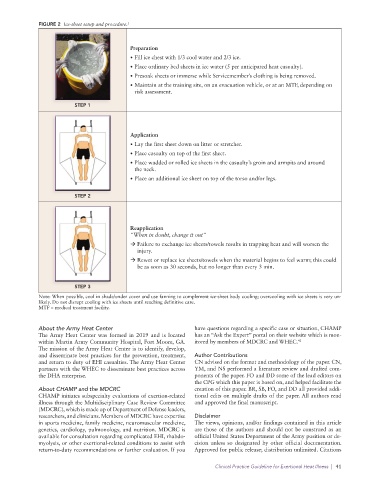
FIGURE 2 Ice-sheet setup and procedure. 1
Preparation
• Fill ice chest with 1/3 cool water and 2/3 ice.
• Place ordinary bed sheets in ice water (5 per anticipated heat casualty).
• Presoak sheets or immerse while Servicemember’s clothing is being removed.
• Maintain at the training site, on an evacuation vehicle, or at an MTF, depending on
risk assessment.
STEP 1
Application
• Lay the first sheet down on litter or stretcher.
• Place casualty on top of the first sheet.
• Place wadded or rolled ice sheets in the casualty’s groin and armpits and around
the neck.
• Place an additional ice sheet on top of the torso and/or legs.
STEP 2
Reapplication
“When in doubt, change it out”
Failure to exchange ice sheets/towels results in trapping heat and will worsen the
injury.
Rewet or replace ice sheets/towels when the material begins to feel warm; this could
be as soon as 30 seconds, but no longer than every 3 min.
STEP 3
Note: When possible, cool in shade/under cover and use fanning to complement ice-sheet body cooling; overcooling with ice sheets is very un-
likely. Do not disrupt cooling with ice sheets until reaching definitive care.
MTF = medical treatment facility.
About the Army Heat Center have questions regarding a specific case or situation, CHAMP
The Army Heat Center was formed in 2019 and is located has an “Ask the Expert” portal on their website which is mon-
within Martin Army Community Hospital, Fort Moore, GA. itored by members of MDCRC and WHEC. 41
The mission of the Army Heat Center is to identify, develop,
and disseminate best practices for the prevention, treatment, Author Contributions
and return to duty of EHI casualties. The Army Heat Center CN advised on the format and methodology of the paper. CN,
partners with the WHEC to disseminate best practices across YM, and NS performed a literature review and drafted com-
the DHA enterprise. ponents of the paper. FO and DD some of the lead editors on
the CPG which this paper is based on, and helped facilitate the
About CHAMP and the MDCRC creation of this paper. BR, SB, FO, and DD all provided addi-
CHAMP initiates subspecialty evaluations of exertion-related tional edits on multiple drafts of the paper. All authors read
illness through the Multidisciplinary Case Review Committee and approved the final manuscript.
(MDCRC), which is made up of Department of Defense leaders,
researchers, and clinicians. Members of MDCRC have expertise Disclaimer
in sports medicine, family medicine, neuromuscular medicine, The views, opinions, and/or findings contained in this article
genetics, cardiology, pulmonology, and nutrition. MDCRC is are those of the authors and should not be construed as an
available for consultation regarding complicated EHI, rhabdo- official United States Department of the Army position or de-
myolysis, or other exertional-related conditions to assist with cision unless so designated by other official documentation.
return-to-duty recommendations or further evaluation. If you Approved for public release; distribution unlimited. Citations
Clinical Practice Guideline for Exertional Heat Illness | 41

