


Page 150 - 2026 SMOG
P. 150
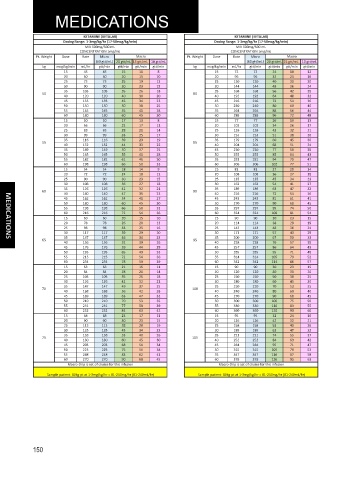
MORPHINE
                              Class/Mechanism of Action
         •  Opioid Analgesic
           Binds to opioid receptors within the CNS, causing inhibition of ascending pain pathways (blocking
           painful stimuli), altering the perception of and response to pain; produces generalized CNS depression.
              ˚  Onset of action—IV: 5–10min
                                    Indications
         •  Labeled Indications
              ˚  Moderate to severe acute and chronic pain; pain of myocardial infarction; preanesthetic medication
         •  Off-Label Indications
              ˚  Critically ill patients in the ICU (analgesia and sedation)
                                  Contraindications
         •  Hypersensitivity to morphine sulfate or any component of the formulation
         •  Severe respiratory depression
         •  Acute or severe asthma (in an unmonitored setting or without resuscitative equipment)
         •  GI obstruction, including known or suspected paralytic ileus
                            Adverse Reactions/Precautions
         •  Always be prepared for the use of paralytics and intubation (maintain positive control of airway)
         •  Head trauma: Use with extreme caution in head injury or suspected increased ICP; an
           exaggerated increase in ICP may occur. Some formulations are specifically contraindicated.
         •  May cause Hypotension. Use with caution in hypovolemic patients
         •  May worsen Bradycardia
         •  May cause life-threatening hypoventilation and respiratory depression
         •  CNS depression: Impairs physical and mental abilities
         •  IM, SubQ: The use of IM/SubQ injections is no longer recommended, especially for repeated
           administration, due to painful administration, variable absorption, and lag time to peak effect
         •  Pregnancy: Use with caution
         •  Lactation: Nonopioid analgesia is recommended for lactating patients peripartum
                                Dose/Administration
                                                    PEDIATRIC
                      ADULT
                                              (Always reference Broselow Tape)
         Chest Pain/AMI                  Acute Pain (Moderate-to-Severe)
         •  IV/IO                        •  IV (SLOW)
              ˚  1–5mg only if discomfort is not relieved by     ˚  Infants ≤6mo: 0.025–0.05mg/kg/dose
                                             q2–4hr
             nitroglycerin
         Acute Pain (Moderate-to-Severe)      ˚  Infants >6mo/<50kg: 0.05–0.1mg/kg/dose
         •  IV/IO (SLOW)                     q2–4hr; titrate based on patient response
              ˚  2.5–10mg q1–4hr prn          ˚  >50kg: 2–5mg q2–4hr prn. Use the lower
                                             end of the dosing range in opioid naive
                                             patients
                                         •  Continuous infusion
                                              ˚  Infants >6mo/<50kg: 10–40mcg/kg/hr;
                                             titrate prn for pain
                                              ˚  >50kg: 1.5mg/hr; titrate carefully to effect;
                                             usual maintenance dose: 0.8–3mg/hr


        142  •   MEDICATIONS

