


Page 100 - JSOM Fall 2025
P. 100
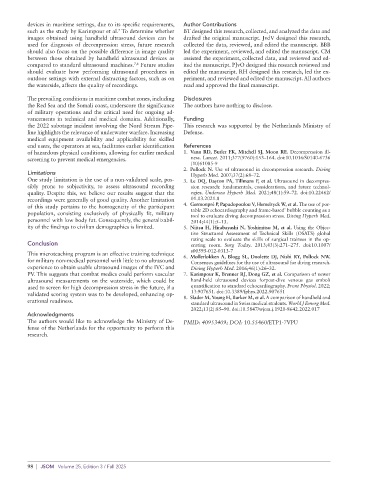
TABLE 1  Vascular Ultrasound Assessment Scoring System Used in This Study
                                                                   Score
              Criteria           1                2                 3                 4                5
              Recording   Recording is not    Recording is slightly   Recording is   Recording is   Recording is very
              clarity    clear – no structures   clear – large structures/  moderately clear –   sufficiently clear –  clear – high quality
                         can be distinguished  different tissue can be   small structures can be  relevant structures can
                                           distinguished    distinguished     be distinguished
              Gain       Recording is distorted   Recording is slightly   Recording is not   Recording is not   Recording is not
                         by gain           distorted by gain  distorted, but there is   distorted by gain and   distorted by gain and
                                                            too much gain present  mostly clear  fully clear
              Brightness  Recording is distorted   Recording is slightly   Recording is not   Recording is not   Recording is not
                         by level of brightness  distorted by level of   distorted, but it is too   distorted by brightness  distorted by brightness
                                           brightness       light or dark     and mostly clear  and fully clear
              Anatomy    Vessel of interest is not  Vessel of interest is   Vessel of interest is   Vessel of interest is   Vessel of interest is
                         visible           barely visible   visible           visible in full sagittal   visible in full sagittal
                                                                              plane             plane and centered in
                                                                                                the recording
              Vessel     Proximal, middle, and   Proximal, middle, and
              characteristic  distal diameter not   distal diameter equal
                         equal


              identified the aorta instead of the IVC, all participants man-  maximum score for vessel characteristics, indicated by both
              aged to identify the correct vessels. The recordings of the IVC   the median and mode.
              were achieved in an average of 50 (SD 26) seconds, all of
              which were taken within the allotted 2 minutes. Recordings of   Discussion
              the PV were taken at an average of 1 minute and 26 seconds
              (SD 55s), with five performers exceeding the 2-minute mark.   This study shows that this microteaching training is an effec-
              NSOCM-qualified participants were not significantly faster   tive  way to  train  military  medical  personnel  with  no  ultra-
              (P>.05). The total score for each category yielded a median   sound experience in obtaining ultrasound images of the IVC
              value of 3 out of 5, with interquartile ranges spanning from   and PV. This first step toward on-site dive profile titration sug-
              3 to 3 across all categories. There were no significant differ-  gests that combat medics can perform vascular imaging proce-
              ences observed between participants who had completed the   dures to obtain usable high-quality images.
              NSOCM course and those who had not (P>.05 for all ques-
              tions in the questionnaire). See supplemental Figure 2 for more   Obtaining recordings took significantly longer for the PV
              details.                                           than the IVC. This was an unexpected finding, as we assumed
                                                                 that the PV would be easier to identify compared to the IVC.
              Questionnaire                                      The population of military divers participating in this study,
              Seven participants reported having no prior experience with   however, were all well-trained individuals with high physical
              ultrasound procedures. Thirteen had some experience, includ-  fitness levels. Participants had a low amount of body fat mak-
              ing obtaining femoral artery access during resuscitative endo-  ing identification of the IVC easier. Furthermore, some par-
              vascular balloon occlusion of the aorta (REBOA) training, and   ticipants showed signs of leg muscle hypertrophy along with
              five participants had taken part in extensive ultrasound train-  prominent collateral veins around the PV presenting as spider-
              ing in the NSOCM course. No significant differences between   webs on the ultrasound recordings, making it more difficult to
              these groups were found (P>.05).                   identify the correct vessel.

              The participants scored the preparation of the Lumify as easy   Although a large amount of vascular gas emboli on Doppler
              and did not find it hard to obtain a clear image of either ves-  recordings has been shown to correlate with higher decom-
              sel. Furthermore, they did not find it difficult to distinguish   pression stress, further research is required to develop scoring
              between the vein and the artery. The reported median score on   systems to measure the severity decompression stress based on
              the participants’ level of confidence using ultrasound on the   vascular ultrasound recordings.  This feasibility study rep-
                                                                                          6,7
              waterside was neutral, with numerous participants reporting   resents the first necessary step to proceed to a study assessing
              a wish for extra practical training and anatomical education.   the correlation between bubble observations in the IVC and
              All except one participant, who had no diving experience, re-  PV and high decompression stress and risk of decompression
              ported that they would feel confident using ultrasound record-  illness.
              ings to determine decompression stress on their buddies if it
              was considered the gold standard.                  Despite expressing confidence in their ultrasound recordings,
                                                                 the majority of participants expressed a desire for additional
              Image Quality                                      training in both the use of ultrasound devices and understand-
              The interobserver agreement exhibited limited consistency in   ing of anatomy. A structured training system would improve
              evaluations related to clarity, gain, brightness, and anatomy.   the medics’ ultrasound performance and could also explore
              Assessments of vessel characteristics demonstrated a moderate   possible applications of simultaneous telemedicine, allowing
              level of agreement. Despite the observed disparities in agree-  for consultation with physicians (including dive medicine phy-
              ment, both assessors assigned median and modal scores of at   sicians) located elsewhere. Further research should also be
              least 4 for all categories. Notably, the evaluations achieved a   performed to determine the usability of specific ultrasound

                                                                     Feasibility of Vascular Ultrasonography by SOF Medics   |  97

