


Page 131 - Journal of Special Operations Medicine - Fall 2017
P. 131
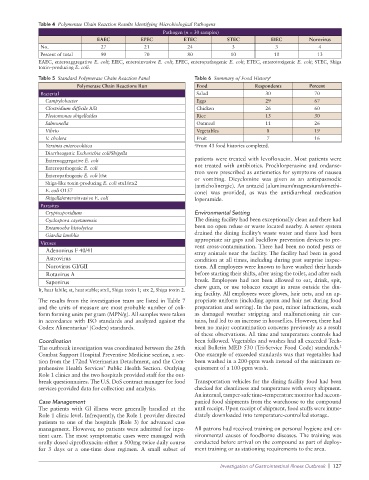
Table 4  Polymerase Chain Reaction Results Identifying Microbiological Pathogens
                                                      Pathogen (n = 30 samples)
                                 EAEC          EPEC          ETEC          STEC           EIEC        Norovirus
              No.                 27            21            24             3             3             4
              Percent of total    90            70            80            10             10            13
              EAEC, enteroaggregative E. coli; EIEC, enteroinvasive E. coli; EPEC, enteropathogenic E. coli; ETEC, enterotoxigenic E. coli; STEC, Shiga
              toxin–producing E. coli.
              Table 5  Standard Polymerase Chain Reaction Panel  Table 6  Summary of Food History a
                          Polymerase Chain Reactions Run         Food               Respondents       Percent
              Bacterial                                          Salad                  30              70
                Campylobacter                                    Eggs                   29              67
                Clostridium difficile A/B                        Chicken                26              60
                Plesiomonas shigelloides                         Rice                   13              30
                Salmonella                                       Oatmeal                11              26
                Vibrio                                           Vegetables             8               19
                V. cholera                                       Fruit                  7               16
                Yersinia enterocolitica                          a From 43 food histories completed.
                Diarrheagenic Escherichia coli/Shigella
                Enteroaggregative E. coli                        patients were treated with levofloxacin. Most patients were
                Enteropathogenic E. coli                         not treated with antibiotics. Prochlorperazine and ondanse-
                                                                 tron were prescribed as antiemetics for symptoms of nausea
                Enteropathogenic E. coli lt/st                   or vomiting. Dicyclomine was given as an antispasmodic
                Shiga-like toxin-producing E. coli stx1/stx2     (anticholinergic). An antacid (aluminum/magnesium/simethi-
                E. coli O157                                     cone) was provided, as was the antidiarrheal medication
                Shigella/enteroinvasive E. coli                  loperamide.
              Parasites
                Cryptosporidium                                  Environmental Setting
                Cyclospora cayetanensis                          The dining facility had been exceptionally clean and there had
                Entamoeba histolytica                            been no open refuse or waste located nearby. A sewer system
                Giardia lamblia                                  drained the dining facility’s waste water and there had been
                                                                 appropriate air gaps and backflow prevention devices to pre-
              Viruses                                            vent cross-contamination. There had been no noted pests or
                Adenovirus F 40/41                               stray animals near the facility. The facility had been in good
                Astrovirus                                       condition at all times, including during past surprise inspec-
                Norovirus GI/GII                                 tions. All employees were known to have washed their hands
                Rotavirus A                                      before starting their shifts, after using the toilet, and after each
                Sapovirus                                        break. Employees had not been allowed to eat, drink, spit,
              lt, heat labile; st, heat stable; stx1, Shiga toxin 1; stx 2, Shiga toxin 2.  chew  gum,  or  use  tobacco  except  in  areas  outside  the  din-
                                                                 ing facility. All employees wore gloves, hair nets, and an ap-
              The results from the investigation team are listed in Table 7   propriate uniform (including apron and hair net during food
              and the units of measure are most probable number of coli-  preparation and serving). In the past, minor infractions, such
              form forming units per gram (MPN/g). All samples were taken   as  damaged  weather  stripping  and malfunctioning  air  cur-
              in accordance with ISO standards and analyzed against the   tains, had led to an increase in houseflies. However, there had
              Codex Alimentarius  (Codex) standards.             been no major contamination concerns previously as a result
                             1
                                                                 of these observations. All time and temperature controls had
              Coordination                                       been followed. Vegetables and washes had all exceeded Tech-
                                                                                                                2
              The outbreak investigation was coordinated between the 28th   nical Bulletin MED 530 (Tri-Service Food Code) standards.
              Combat Support Hospital Preventive Medicine section, a sec-  One example of exceeded standards was that vegetables had
              tion from the 172nd Veterinarian Detachment, and the Com-  been washed in a 200-ppm wash instead of the minimum re-
              prehensive Health Services’ Public Health Section. Outlying   quirement of a 100-ppm wash.
              Role 1 clinics and the two hospitals provided staff for the out-
              break questionnaires. The U.S. DoS contract manager for food   Transportation vehicles for the dining facility food had been
              services provided data for collection and analysis.  checked for cleanliness and temperature with every shipment.
                                                                 An internal, tamper-safe time–temperature monitor had accom-
              Case Management                                    panied food shipments from the warehouse to the compound
              The patients with GI illness were generally handled at the   until receipt. Upon receipt of shipment, food stuffs were imme-
              Role 1 clinic level. Infrequently, the Role 1 provider directed   diately downloaded into temperature-controlled storage.
              patients to one of the hospitals (Role 3) for advanced case
              management. However, no patients were admitted for inpa-  All patrons had received training on personal hygiene and en-
              tient care. The most symptomatic cases were managed with   vironmental causes of foodborne diseases. The training was
              orally dosed ciprofloxacin: either a 500mg twice daily course   conducted before arrival on the compound as part of deploy-
              for 3 days or a one-time dose regimen. A small subset of    ment training or as stationing requirements to the area.

                                                                         Investigation of Gastrointestinal Illness Outbreak  |  127

