


Page 247 - ATP-P 11th Ed
P. 247
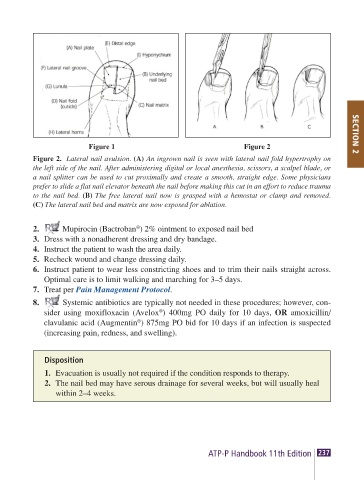
Figure 1                          Figure 2                SECTION 2
        Figure 2.  Lateral nail avulsion. (A) An ingrown nail is seen with lateral nail fold hypertrophy on
        the left side of the nail. After administering digital or local anesthesia, scissors, a scalpel blade, or
        a nail splitter can be used to cut proximally and create a smooth, straight edge. Some physicians
        prefer to slide a flat nail elevator beneath the nail before making this cut in an effort to reduce trauma
        to the nail bed. (B) The free lateral nail now is grasped with a hemostat or clamp and removed.
        (C) The lateral nail bed and matrix are now exposed for ablation.

        2.     Mupirocin (Bactroban ) 2% ointment to exposed nail bed
                               ®
        3.  Dress with a nonadherent dressing and dry bandage.
        4.  Instruct the patient to wash the area daily.
        5.  Recheck wound and change dressing daily.
        6.  Instruct patient to wear less constricting shoes and to trim their nails straight across.
           Optimal care is to limit walking and marching for 3–5 days.
        7.  Treat per Pain Management Protocol.
        8.     Systemic antibiotics are typically not needed in these procedures; however, con-
                                    ®
           sider using moxifloxacin (Avelox ) 400mg PO daily for 10 days,  OR  amoxicillin/
                               ®
           clavulanic acid (Augmentin ) 875mg PO bid for 10 days if an infection is suspected
           (increasing pain, redness, and swelling).
           Disposition
           1.  Evacuation is usually not required if the condition responds to therapy.
           2.  The nail bed may have serous drainage for several weeks, but will usually heal
             within 2–4 weeks.


   236  SECTION 2   TACTICAL MEDICAL EMERGENCY PROTOCOLS (TMEPs)     ATP-P Handbook 11th Edition 237

