


Page 31 - JSOM Winter 2019
P. 31
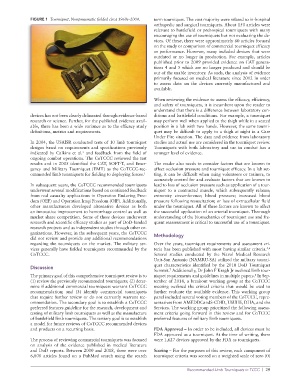
FIGURE 1  Tourniquet, Nonpneumatic fielded circa 1960s–2004.  term tourniquet. The vast majority were related to in-hospital
                                                                 orthopedic and surgical tourniquets. About 150 articles were
                                                                 relevant to battlefield or prehospital tourniquets with many
                                                                 encouraging the use of tourniquets but not evaluating the de-
                                                                 vices. Of these, there were approximately 60 articles focused
                                                                 on the study or comparison of commercial tourniquet efficacy
                                                                 or performance. However, many included devices that were
                                                                 outdated or no longer in production. For example, articles
                                                                 published prior to 2009 provided evidence on CAT genera-
                                                                 tions 4 and 5 which are no longer produced and should be
                                                                 out of the usable inventory. As such, the analysis of evidence
                                                                 primarily focused on medical literature since 2012 in order
                                                                 to assess data on the devices currently manufactured and
                                                                 available.

                                                                 When reviewing the evidence to assess the efficacy, efficiency,
                                                                 and safety of tourniquets, it is incumbent upon the reader to
                                                                 understand that there is a difference between laboratory con-
              devices has not been clearly delineated through evidence-based   ditions and battlefield conditions. For example, a tourniquet
              research or science. Further, for the published evidence avail-  may perform well when applied to the thigh while in a seated
              able, there has been a wide variance as to the efficacy study   position in a lab with two hands. However, the same tourni-
              definitions, metrics and requirements.             quet may be difficult to apply to a thigh at night in a Care
                                                                 Under Fire situation. The data and evidence from laboratory
              In 2004, the USAISR conducted tests of 10 limb tourniquet   studies and actual use are considered in the tourniquet review.
              designs based on requirements and specifications previously   Tourniquets with both laboratory and use in combat has a
              indicated by Calkins et al.  and feedback from the field of   stronger level of evidence.
                                   5
              ongoing combat operations. The CoTCCC reviewed the test
              results and in 2005 identified the CAT, SOFT-T, and Emer-  The reader also needs to consider factors that are known to
              gency and Military Tourniquet (EMT) as the CoTCCC-rec-  affect occlusion pressure and tourniquet efficacy. In a lab set-
              ommended limb tourniquets for fielding to deploying forces. 1  ting, it can be difficult when using volunteers or trainers, to
                                                                 accurately control for and evaluate factors that are known to
              In subsequent years, the CoTCCC recommended tourniquets   lead to loss of occlusion pressure such as application of a tour-
              underwent several modifications based on continued feedback   niquet to a contracted muscle, which subsequently relaxes;
              from real casualty applications in Operation Enduring Free-  extremity circumference; blood pressure; increased blood
              dom (OEF) and Operation Iraqi Freedom (OIF). Additionally,   pressure following resuscitation; or loss of extracellular fluid
              other manufacturers developed alternative devices as both   under the tourniquet. All of these factors are known to affect
              an innovative improvement to hemorrhage control as well as   the successful application of an arterial tourniquet. Thorough
              market share competition. Some of these devices underwent   understanding of the biomechanics of tourniquet use and fre-
              research and scientific efficacy studies as part of DoD-funded   quent reassessment is critical to successful use of a tourniquet.
              research projects and as independent studies through other or-
              ganizations. However, in the subsequent years, the CoTCCC   Methodology
              did not review and provide any additional recommendations
              regarding the tourniquets on the market. The military ser-  Over the years, tourniquet requirements and assessment cri-
              vices generally have fielded tourniquets recommended by the   teria has been published with most having similar criteria.
                                                                                                               5,6
              CoTCCC.                                            Several studies conducted by the Naval Medical Research
                                                                 Unit-San Antonio (NAMRU-SA) utilized the military tourni-
                                                                 quet characteristics identified by the 2010 DoD Tourniquet
              Discussion
                                                                 Summit.  Additionally, Dr John F Kragh Jr outlined limb tour-
                                                                       7
              The primary goal of this comprehensive tourniquet review is to   niquet requirements and guidelines in multiple papers.  In Sep-
                                                                                                          6
              (1) review the previously recommended tourniquets; (2) deter-  tember of 2018, a breakout working group at the CoTCCC
              mine if additional commercial tourniquets warrant CoTCCC   meeting outlined the critical criteria that would be used to
              recommendation;  and (3)  identify commercial  tourniquets   further evaluate the available evidence. This working group
              that require further review or do not currently warrant rec-  panel included several voting members of the CoTCCC, repre-
              ommendation. The secondary goal is to establish a CoTCCC   sentatives from AMEDDCandS-CDID, USUHS, DHA, and the
              preferred features guideline for the research, development and   Services. The working group prioritized the following assess-
              testing of military limb tourniquets as well as the manufacture   ment criteria going forward in this review and for CoTCCC
              of battlefield limb tourniquets. The tertiary goal is to establish   preferred features of military limb tourniquets.
              a model for future reviews of CoTCCC recommended devices
              and products on a recurring basis.                 FDA Approved – In order to be included, all devices must be
                                                                 FDA approved as a tourniquet. At the time of writing, there
              The process of reviewing commercial tourniquets was focused   were 1,627 devices approved by the FDA as tourniquets.
              on analysis of the evidence published in medical literature
              and DoD reports. Between 2000 and 2018, there were over   Scoring – For the purposes of this review, each component of
              6,800 articles  found on  a PubMed  search  using  the search   tourniquet criteria was scored on a weighted scale of zero (0)

                                                                              Recommended Limb Tourniquets in TCCC  |  29

