


Page 72 - JSOM Fall 2025
P. 72
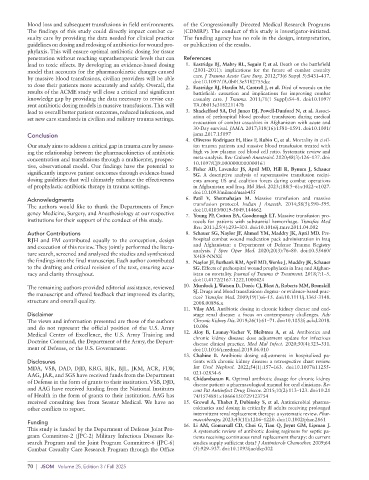
TABLE 2  Variables to be Captured                  with linear and polynomial terms to determine the relation-
              Demographics    • Admission diagnosis              ship between the volume of blood transfused and the amount
                              • Age                              of antibiotic in the plasma.
                              • Height/body mass/BMI
                              • Military status                  Sample Size Estimates
                              • Medical and surgical history
                              • Sex                              We will enroll participants in a 1:2 ratio, pairing each partici-
                              • Social History                   pant receiving three or more units of blood products with two
              Timing          • Time of blood product transfusions  “control” subjects. Control subjects are defined as participants
                              • Time of hospital arrival         who receive two or fewer blood products with antibiotics.
                              • Time of injury                   Partial enrollments (e.g., missed draws, deaths during the en-
                              • Time of fluid infusions          rollment period) will be included in the analysis for available
                              • Time of prehospital and in-hospital drug
                                administration                   concentrations. We are estimating that we will need 208 par-
              Drug concentration  • Immediately post-infusion    ticipants with all samples measured.
                              • 30min post-infusion
                              • 60min post-infusion              Extraction Methods
                              • 2hr post-infusion                Participant blood will be collected, centrifuged, and the plasma
                              • 4hr post-infusion                (100μL) pipetted into 1.5mL tubes and stored at –80°C. The
                              • 12–18hr post-infusion            antibiotics in plasma will be extracted using either of two
              Scheduled laboratory  • Blood gas values           methods: 1) 1mL of 90% methanol, 100 mM ammonium car-
              studies         • Complete blood counts (hemoglobin,
                                hematocrit, white blood cell counts)  bonate (ampicillin, ceftriaxone, ertapenem, piperacillin, clin-
                              • Coagulation studies (PT, INR, PTT, TEG)  damycin, cefazolin) or 2) 90% ethanol, 100mM ammonium
                              • Haptoglobin                      carbonate (sulbactam, tazobactam, ampicillin, ceftriaxone,
                              • Lactate                          ertapenem). Extraction fluid will be added to the frozen sam-
                              • Metabolic studies (electrolytes, blood urea
                                nitrogen, creatinine, liver function studies)  ples. The samples will then be vortexed and centrifuged (5000g
              Prehospital     • Anticoagulants                   for 5min). The supernatant will be removed to a new tube and
              medications     • Blood products                   dried by a centripetal dryer. Samples will be stored at –20°C
                              • Electrolytes                     for  liquid  chromatography  with  tandem  mass  spectrometry
                              • IV fluids                        analysis and run in a batch with standard curves for each an-
                              • Tranexamic acid                  alyte (antibiotic). The standards and solvents will come from
                              • Antibiotics                        MilliporeSigma, U.S. Pharmacopeia (USP), European Director-
              Hospital medications  • Anticoagulants             ate for the Quality of Medicines & HealthCare, ThermoFisher,
              within ±12hr of   • Blood products
              antibiotic infusion  • Electrolytes                and any other qualified suppliers. Standard curves will be gen-
                              • IV fluids                        erated (linear regression), and slope, intercept, r2, lowest limit
                              • Tranexamic acid                  of detection (LLOD) and carryover are developed as part of
                              • Antibiotics                      the validation. Linear curves typically fall within the 10nM
              Major procedures   • Central line placement        to 100µM range. Internal standards will be added to the ex-
              within 24hr of   • Chest needle decompression      traction fluid to monitor the entire procedure from extraction
              antibiotic infusion  • Chest tube
                              • Compressive hemorrhage procedures    to measurement. Internal standards will be chosen as chemicals
                                (e.g., liver packing)            of similar structure and chemical and physical properties, such
                              • Estimated blood loss during each   that they extract and chromatograph in a manner similar to the
                                operative procedure              analyte in question.
                              • Exploratory laparotomy
                              • Fracture stabilization
                              • Hemorrhage control interventions  Liquid Chromatography/Tandem Mass
                              • Interventional radiology procedures  Spectrometry Methods (LC-MS/MS)
                              • Intubation                       Dried samples are brought up in 200µL of 10% acetonitrile,
                              • Irrigation and debridement       0.1% formic acid and run (10µL) by liquid chromatography
                              • Thoracotomy
                              • REBOA                            (Ultimate 3000, ThermoFisher Scientific, Waltham, MA) on
              Blood products   • Cryoprecipitate                 Kinetex C18(2) Polar 2.1×150mm column (Phenomenex, Tor-
              within 12hr of   • Packed red blood cells          rance, CA) at 250µL/min with a increasing acetonitrile/0.1%
              antibiotic infusion  • Plasma                      formic acid gradient for separation of individual antibiotics.
                              • Platelets                        Gradient is 12% Mobile Phase B (MPB) for 1.5min, then
                              • Whole blood                      ramped to 32% for 1min, held for 1min, then ramped to 95%
              Outcome data    • Discharge status                 in 4min. The total time for the run is 10min. Tandem Mass
                              • Hospital days
                              • Intensive care unit days         Spectroscopy (Quantiva, ThermoFisher, Waltham, MA) is used
                              • Time to death                    in the Multiple Ion Monitoring mode for specific parent and
                              • Ventilator days                  daughter  analytes.  Plasma  sample  unknowns  are  compared
              INR = international normalized ratio; PT = prothrombin time; PTT =     to linear curves generated by standards for final quantitation
              partial thromboplastin time, REBOA = resuscitative endovascular bal-  µg/L. Standard curves are generated for each antibiotic.
              loon occlusion of the aorta; TEG = thromboelastography.
                                                                 Discussion
              differences between the transfusion volume groups at each
              time point with the appropriate correction for multiple com-  The findings from this study will have a significant impact on
              parisons, and compare the change in concentration between   trauma medicine in both civilian and military settings. In a
              the groups. Additionally, we will conduct a regression analysis   military setting, combat injuries often involve large volumes of

                                                                        Antibiotic Concentrations after Massive Transfusion  |  69

