


Page 122 - JSOM Winter 2022
P. 122
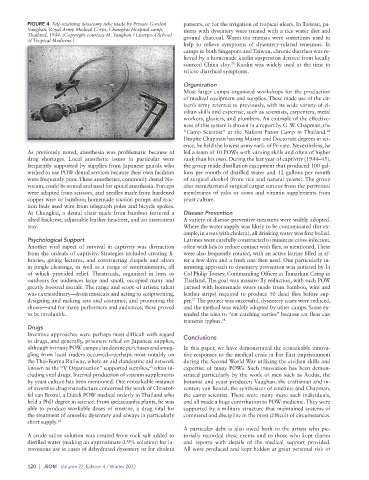
FIGURE 4  Self-retaining ileostomy tube made by Private Gordon   patients, or for the irrigation of tropical ulcers. In Taiwan, pa-
          Vaughan, Royal Army Medical Corps, Chungkai Hospital camp,   tients with dysentery were treated with a rice water diet and
          Thailand, 1944. (Copyright courtesy M. Vaughan / Liverpool School   ground charcoal. Warm tea enemas were sometimes used to
          of Tropical Medicine.)
                                                             help to relieve symptoms of dysentery-related tenesmus. In
                                                             camps in both Singapore and Taiwan, chronic diarrhea was re-
                                                             lieved by a homemade kaolin suspension derived from locally
                                                                             20
                                                             sourced China clay.  Kaolin was widely used at the time to
                                                             relieve diarrheal symptoms.

                                                             Organization
                                                             Most larger camps organized workshops for the production
                                                             of medical equipment and supplies. These made use of the cit-
                                                             izen’s army referred to previously, with its wide variety of ci-
                                                             vilian skills and expertise, such as scientists, carpenters, metal
                                                             workers, glaziers, and plumbers. An example of the effective-
                                                             ness of this system is shown in a report by G. W. Chapman, the
                                                             “Camp Scientist” at the Nakom Paton Camp in Thailand.
                                                                                                            26
                                                             Despite Chapman having Master and Doctorate degrees in sci-
                                                             ence, he held the lowest army rank of Private. Nevertheless, he
          As previously noted, anesthesia was problematic because of   led a team of 10 POWs with varying skills and often of higher
          drug shortages. Local anesthetic issues in particular were   rank than his own. During the last year of captivity (1944–45),
          frequently supported by supplies from Japanese guards who   the group made distillation equipment that produced 100 gal-
          wished to use POW dental services because their own facilities   lons per month of distilled water and 12 gallons per month
          were frequently poor. These anesthetics, commonly dental No-  of surgical alcohol (from rice and natural yeasts). The group
          vocain, could be stored and used for spinal anesthesia. Forceps   also manufactured surgical catgut sutures from the peritoneal
          were adapted from scissors, and needles made from hardened   membranes of yaks or cows and vitamin supplements from
          copper wire or bamboo; homemade suction pumps and trac-  yeast culture.
          tion beds used wire from telegraph poles and bicycle spokes.
          At Chungkai, a dental chair made from bamboo featured a   Disease Prevention
          tilted backrest, adjustable leather headrest, and an instrument   A variety of disease-preventive measures were widely adopted.
          tray.                                              Where the water supply was likely to be contaminated (for ex-
                                                             ample, in areas with cholera), all drinking water was first boiled.
          Psychological Support                              Latrines were carefully constructed to minimize cross-infection,
          Another vital aspect of survival in captivity was distraction   often with lids to reduce contact with flies, as mentioned. These
          from the ordeals of captivity. Strategies included creating li-  were also frequently rotated, with an active latrine filled in af-
          braries, giving lectures, and constructing chapels and altars   ter a few days and a fresh one then used. One particularly in-
          in jungle clearings, as well as a range of entertainments, all   teresting approach to dysentery prevention was initiated by Lt
          of which provided relief.  Theatricals, organized in huts or   Col Philip Toosey, Commanding Officer at Tamarkan Camp in
          outdoors for audiences large and small, occupied many and   Thailand. The goal was massive fly reduction, with each POW
          greatly boosted morale. The range and scope of artistic talent   (armed with homemade swats made from bamboo, wire and
          was extraordinary—from musicals and acting to scriptwriting,   leather strips) required to produce 50 dead flies before sup-
                                                                27
          designing and making sets and costumes, and promoting the   per.  The project was successful, dysentery cases were reduced,
          shows—and for many performers and audiences, these proved   and the method was widely adopted by other camps. Some ex-
          to be invaluable.                                  tended the idea to “rat catching sorties” because rat fleas can
                                                             transmit typhus. 28
          Drugs
          Inventive approaches were perhaps most difficult with regard   Conclusions
          to drugs, and generally, prisoners relied on Japanese supplies,
          although in many POW camps clandestine purchases and smug-  In this paper, we have demonstrated the remarkable innova-
          gling from local traders occurred—perhaps most notably on   tive responses to the medical crisis in Far East imprisonment
          the Thai-Burma Railway, where an aid clandestine aid network   during the Second World War utilizing the civilian skills and
          known as the “V Organisation” supported supplies,  often in-  expertise of many POWs. Such innovation has been demon-
                                                  25
          cluding vital drugs. Internal production of vitamin supplements   strated particularly by the work of men such as Audus, the
          by yeast culture has been mentioned. One remarkable instance   botanist and yeast producer; Vaughan, the craftsman and in-
          of inventive drug manufacture concerned the work of Christof-  ventor; van Boxtel, the synthesizer of emetine; and Chapman,
          fel van Boxtel, a Dutch POW medical orderly in Thailand who   the camp scientist. There were many more such individuals,
          held a PhD degree in science. From ipecacuanha plants, he was   and all made a huge contribution to POW medicine. They were
          able to produce workable doses of emetine, a drug vital for   supported by a military structure that maintained systems of
          the treatment of amoebic dysentery and always in particularly   command and discipline in the most difficult of circumstances.
          short supply. 18
                                                             A particular debt is also owed both to the artists who pic-
          A crude saline solution was created from rock salt added to   torially recorded these events and to those who kept diaries
          distilled water (making an approximate 0.9% solution) for in-  and reports with details of the medical support provided.
          travenous use in cases of dehydrated dysentery or for cholera   All were produced and kept hidden at great personal risk of

          120  |  JSOM   Volume 22, Edition 4 / Winter 2022

