


Page 92 - JSOM Fall 2022
P. 92
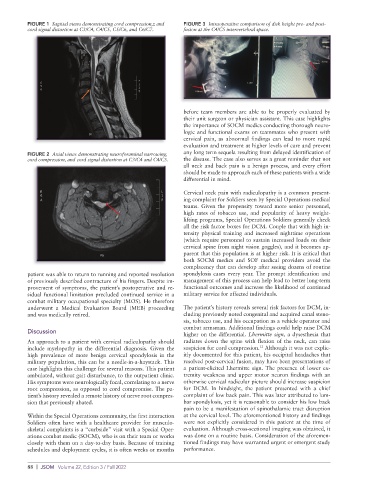
FIGURE 1 Sagittal views demonstrating cord compression,z and FIGURE 3 Intraoperative comparison of disk height pre- and post-
cord signal distortion at C3/C4, C4/C5, C5/C6, and C6/C7. fusion at the C4/C5 intervertebral space.
before team members are able to be properly evaluated by
their unit surgeon or physician assistant. This case highlights
the importance of SOCM medics conducting thorough neuro
logic and functional exams on teammates who present with
cervical pain, as abnormal findings can lead to more rapid
evaluation and treatment at higher levels of care and prevent
FIGURE 2 Axial views demonstrating neuroforaminal narrowing, any long term sequela resulting from delayed identification of
cord compression, and cord signal distortion at C3/C4 and C4/C5. the disease. The case also serves as a great reminder that not
all neck and back pain is a benign process, and every effort
should be made to approach each of these patients with a wide
differential in mind.
Cervical neck pain with radiculopathy is a common present
ing complaint for Soldiers seen by Special Operations medical
teams. Given the propensity toward more senior personnel,
high rates of tobacco use, and popularity of heavy weight
lifting programs, Special Operations Soldiers generally check
all the risk factor boxes for DCM. Couple that with high in
tensity physical training and increased nighttime operations
(which require personnel to sustain increased loads on their
cervical spine from night vision goggles), and it becomes ap
parent that this population is at higher risk. It is critical that
both SOCM medics and SOF medical providers avoid the
complacency that can develop after seeing dozens of routine
patient was able to return to running and reported resolution spondylosis cases every year. The prompt identification and
of previously described contracture of his fingers. Despite im management of this process can help lead to better longterm
provement of symptoms, the patient’s postoperative and re functional outcomes and increase the likelihood of continued
sidual functional limitation precluded continued service in a military service for affected individuals.
combat military occupational specialty (MOS). He therefore
underwent a Medical Evaluation Board (MEB) proceeding The patient’s history reveals several risk factors for DCM, in
and was medically retired. cluding previously noted congenital and acquired canal steno
sis, tobacco use, and his occupation as a vehicle operator and
combat armsman. Additional findings could help raise DCM
Discussion higher on the differential. Lhermitte sign, a dysesthesia that
An approach to a patient with cervical radiculopathy should radiates down the spine with flexion of the neck, can raise
12
include myelopathy in the differential diagnosis. Given the suspicion for cord compression. Although it was not explic
high prevalence of more benign cervical spondylosis in the itly documented for this patient, his occipital headaches that
military population, this can be a needleinahaystack. This resolved postcervical fusion, may have been presentations of
case highlights this challenge for several reasons. This patient a patientelicited Lhermitte sign. The presence of lower ex
ambulated, without gait disturbance, to the outpatient clinic. tremity weakness and upper motor neuron findings with an
His symptoms were neurologically focal, correlating to a nerve otherwise cervical radicular picture should increase suspicion
root compression, as opposed to cord compromise. The pa for DCM. In hindsight, the patient presented with a chief
tient’s history revealed a remote history of nerve root compres complaint of low back pain. This was later attributed to lum
sion that previously abated. bar spondylosis, yet it is reasonable to consider his low back
pain to be a manifestation of spinothalamic tract disruption
Within the Special Operations community, the first interaction at the cervical level. The aforementioned history and findings
Soldiers often have with a healthcare provider for musculo were not explicitly considered in this patient at the time of
skeletal complaints is a “curbside” visit with a Special Oper evaluation. Although crosssectional imaging was obtained, it
ations combat medic (SOCM), who is on their team or works was done on a routine basis. Consideration of the aforemen
closely with them on a daytoday basis. Because of training tioned findings may have warranted urgent or emergent study
schedules and deployment cycles, it is often weeks or months performance.
88 | JSOM Volume 22, Edition 3 / Fall 2022

