


Page 12 - Journal of Special Operations Medicine - Winter 2014
P. 12
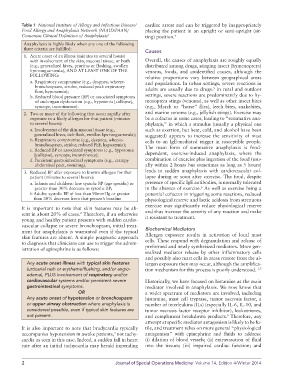
Table 1 National Institute of Allergy and Infectious Disease/ cardiac arrest and can be triggered by inappropriately
Food Allergy and Anaphylaxis Network (NIAID/FAAN) placing the patient in an upright or semi-upright (sit-
Consensus Clinical Definition of Anaphylaxis 1 ting) position. 4
Anaphylaxis is highly likely when any one of the following
three criteria are fulfilled:
Causes
1. Acute onset of an illness (minutes to several hours)
with involvement of the skin, mucosal tissue, or both Overall, the causes of anaphylaxis are roughly equally
(e.g., generalized hives, pruritus or flushing, swollen distributed among drugs, stinging insect (hymenoptera)
lips-tongue-uvula), AND AT LEAST ONE OF THE venoms, foods, and unidentified causes, although the
FOLLOWING: relative proportions vary between geographical areas
a. Respiratory compromise (e.g., dyspnea, wheeze- and populations. In urban settings, severe reactions in
bronchospasm, stridor, reduced peak expiratory adults are usually due to drugs. In rural and outdoor
5
flow, hypoxemia);
b. Reduced blood pressure (BP) or associated symptoms settings, severe reactions are predominantly due to hy-
of end-organ dysfunction (e.g., hypotonia [collapse], menoptera stings (venoms), as well as other insect bites
syncope, incontinence). (e.g., March or “horse” flies), leech bites, snakebites,
2. Two or more of the following that occur rapidly after and marine venoms (e.g., jellyfish stings). Exercise may
exposure to a likely allergen for that patient (minutes be a cofactor in some cases, leading to “summative ana-
to several hours): phylaxis,” in which a stimulus (usually a physical one
a. Involvement of the skin-mucosal tissue (e.g., such as exertion, but heat, cold, and alcohol have been
generalized hives, itch-flush, swollen lips-tongue-uvula); suggested) appears to increase the sensitivity of mast
b. Respiratory compromise (e.g., dyspnea, wheeze- cells to an IgE-mediated trigger in susceptible people.
bronchospasm, stridor, reduced PEF, hypoxemia); The main form of summative anaphylaxis is food-
c. Reduced BP or associated symptoms (e.g., hypotonia
[collapse], syncope, incontinence); dependent, exercise-induced anaphylaxis, where the
d. Persistent gastrointestinal symptoms (e.g., crampy combination of exercise plus ingestion of the food (usu-
abdominal pain, vomiting). ally within 2 hours but sometimes as long as 5 hours)
3. Reduced BP after exposure to known allergen for that leads to sudden anaphylaxis with cardiovascular col-
patient (minutes to several hours): lapse during or soon after exercise. The food, despite
a. Infants and children: low systolic BP (age specific) or presence of specific IgE antibodies, is normally tolerated
6
greater than 30% decrease in systolic BP; in the absence of exercise. As well as exercise being a
b Adults: systolic BP of less than 90mmHg or greater potential cofactor in triggering some reactions, reduced
than 30% decrease from that person’s baseline physiological reserve and lactic acidosis from strenuous
exercise may significantly reduce physiological reserve
It is important to note that skin features may be ab-
sent in about 20% of cases. Therefore, if an otherwise and thus increase the severity of any reaction and make
2
young and healthy patient presents with sudden cardio- it resistant to treatment.
vascular collapse or severe bronchospasm, initial treat-
ment for anaphylaxis is warranted even if the typical Biochemical Mediators
skin features are absent. A simple pragmatic approach Allergen exposure results in activation of local mast
to diagnosis that clinicians can use to trigger the admin- cells. These respond with degranulation and release of
istration of epinephrine is as follows: preformed and newly synthesized mediators. More gen-
eralized mediator release by other inflammatory cells
and possibly also mast cells in areas remote from the al-
Any acute onset illness with typical skin features lergen exposure then may occur, although the amplifica-
(urticarial rash or erythema/flushing, and/or angio tion mechanism for this process is poorly understood. 5,7
edema), PLUS involvement of respiratory and/or
cardiovascular systems and/or persistent severe Historically, we have focused on histamine as the main
gastrointestinal symptoms. mediator involved in anaphylaxis. We now know that
OR a wider spectrum of mediators are involved, including
Any acute onset of hypotension or bronchospasm histamine, mast cell tryptase, tumor necrosis factor, a
or upper airway obstruction where anaphylaxis is number of interleukins (ILs) (especially IL-6, IL-10, and
considered possible, even if typical skin features are tumor necrosis factor receptor inhibitor), leukotrienes,
not present. and complement breakdown products. Therefore, any
8
attempt at specific mediator antagonism is likely to be fu-
It is also important to note that bradycardia typically tile, and treatment relies on more general “ physiological
3
accompanies hypotension in awake patients, not tachy- antagonism” with epinephrine and fluids to address:
cardia as seen in this case. Indeed, a sudden fall in heart (i) dilation of blood vessels; (ii) extravasation of fluid
rate after an initial tachycardia may herald impending into the tissues; (iii) impaired cardiac function; and
2 Journal of Special Operations Medicine Volume 14, Edition 4/Winter 2014

