


Page 94 - Journal of Special Operations Medicine - Summer 2017
P. 94
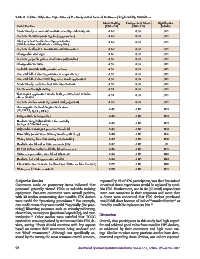
Table 3  Relative Subjective Importance of Positively Rated General Features of High-Fidelity Simulators
                                                               Mean Rating    Comparison Mean   Significance
           Rated Feature                                        (Out of 5)      (Out of 5)        p-Value
           Anatomically correct and realistic cricothyroidotomy site   4.68       4.05             .001
           Realistic wounds (anatomy, feel, appearance)           4.68            4.05             .001
           Bilateral chest needle decompression sites             4.60            4.05             .001
           (midclavicular and anterior axillary line)
           Realistic feedback to treatments and interaction       4.60            4.05             .001
           Changeable vital signs                                 4.60            4.05             .001
           Realistic palpable pulses at all sites (adjustable)    4.59            4.05             .001
           Changeable wounds                                      4.59            4.05             .001
           Packable wounds with pressure sensors                  4.58            4.05             .001
           Rise and fall of chest (spontaneous respirations)      4.56            4.05             .001
           Rise and fall of chest with bag valve mask application  4.55           4.05             .001
           Anatomically realistic chest tube insertion site       4.52            4.05             .001
           Air moves through airway                               4.51            4.05             .001
           Tourniquet application works both proximal and 2 inches   4.51         4.05             .001
           above wound
           Realistic surface anatomy (visual and palpation)       4.50            4.05             .001
           Uses organic medical diagnostic devices                4.45            4.05             .001
           (BP, EtCO , SpO , ECG)
                   2    2
           Lung sounds (changeable)                               4.44            4.05             .001
           Realistic weight distribution for casualty             4.43            4.05             .001
           transport / manual carry
           Adjustable tourniquet pressure threshold               4.43            4.05             .004
           Durability (resist wear & tear, weather, 5ft drop)     4.40            4.05             .006
           Water, mucus, blood in airway (suctionable)            4.39            4.05             .008
           Realistic size blood volume reservoir (3L)             4.37            4.05             .02
           IV / IO infusions that refill the blood reservoir      4.36            4.05             .031
           Skin-over procedure sites bleed when cut               4.32            4.05             .018
           Realistic feel and appearance of skin                  4.32            4.05             .014
           Chest tube insertion site feedback (air flutter or blood return)  4.29  4.05            .040
           Waterproof / water resistant                           4.28            4.05             .031


          Subjective Results                                 reported by 98 of 376 participants, was that live animal
          Comments made on postsurvey items indicated that   or animal tissue experiences would be replaced by mani-
          personnel generally viewed HPSs as valuable training   kin HPS. Furthermore, one in six (66 total) respondents
          equipment. Free-text comments were overall positive,   were cost conscious in their responses and more than
          with 30 medics commenting that manikin HPS devices   a dozen were concerned that HPS devices purchased
          were useful for “practicing procedures.” For example,   would fall short because of lack of “standardization” or
          one medic wrote they were useful “especially [for prac-  “readily available replacement kits.”
          ticing] lifesaving measures  such as cricothyroidotomy,
          chest tubes, tourniquets (junctional especially), and even   Discussion
          intubation.”  Other  medics  were satisfied  that  TCCC
          curriculum was emphasized by current manikin HPS de-  Overall, that participants in this study had high regard
          vices, stating “focus should continue with key aspects   for and achieved good value from manikin HPS devices,
          based on current field treatments being rendered and   as evidenced by their comments and high mean rat-
          not  ‘ideal’  treatments.”  Although  not  specifically  as-  ings. Similar to what many previous studies have dem-
          sessed by the survey, the most common overall concern,   onstrated regarding these devices, our cohort reported


          92                                    Journal of Special Operations Medicine  Volume 17, Edition 2/Summer 2017

