


Page 117 - JSOM Winter 2024
P. 117
to target specific receptors. For example, hGH secretagogues
                                                                 (hGH-releasing peptides, sermorelin, ipamorelin, and ibuta-
                                                                 moren (known as MK677)) are synthetic substances that
                                                                 stimulate the release of hGH. Products containing peptide hor-
                                                                 mones and hormone-releasing agents have been marketed for
                                                                 performance enhancement, anti-aging (smoothing wrinkles),
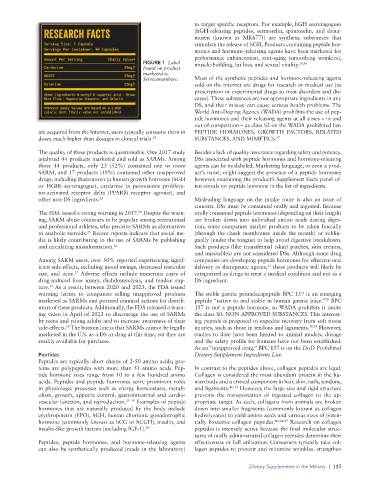
                                                FIGURE 1  Label   muscle-building, fat loss, and sexual vitality. 29,36
                                                found on product
                                                marketed to
                                                Servicemembers.  Most of the synthetic peptides and hormone-releasing agents
                                                                 sold on the internet are drugs for research or medical use (as
                                                                 prescription or experimental drugs to treat disorders and dis-
                                                                 eases). These substances are not appropriate ingredients in any
                                                                 DS, and their misuse can cause serious health problems. The
                                                                 World Anti-Doping Agency (WADA) prohibits the use of pep-
                                                                 tide hormones and their releasing agents at all times – in and
                                                                 out of competition – as class S2 on the WADA prohibited list:
              are acquired from the Internet, users typically consume them in   PEPTIDE HORMONES, GROWTH FACTORS, RELATED
              doses much higher than dosages in clinical trials. 22  SUBSTANCES, AND MIMETICS. 37
              The quality of these products is questionable. One 2017 study   Besides a lack of quality assurance regarding safety and potency,
              analyzed 44 products marketed and sold as SARMs. Among   DSs associated with peptide hormones and hormone-releasing
              those  44  products, only  23  (52%) contained  one  or  more   agents can be mislabeled. Marketing language, or even a prod-
              SARM, and 17 products (39%) contained other unapproved   uct’s name, might suggest the presence of a peptide hormone;
              drugs, including ibutamoren (a human growth hormone (hGH   however, examining the product’s Supplement Facts panel of-
              or  HGH)  secretagogue),  cardarine  (a  peroxisome  prolifera-  ten reveals no peptide hormone in the list of ingredients.
              tor-activated receptor delta (PPARδ) receptor agonist), and
              other non-DS ingredients. 23                       Misleading language on the intake route is also an issue of
                                                                 concern. DSs must be consumed orally and ingested. Because
              The FDA issued a strong warning in 2017.  Despite the warn-  orally consumed peptide hormones (depending on their length)
                                              24
              ing, SARM abuse continues to be popular among recreational   are  broken  down  into  individual  amino  acids  during  diges-
              and professional athletes, who perceive SARMs as alternatives   tion, some companies market products to be taken buccally
                              25
              to anabolic steroids.  Recent reports indicate that social me-  (through the cheek membranes inside the mouth) or sublin-
              dia is likely contributing to the use of SARMs by publishing   gually (under the tongue) to help avoid digestive breakdown.
              and circulating misinformation. 26                 Such products (like transdermal (skin) patches, skin creams,
                                                                 and injectables) are not considered DSs. Although some drug
              Among SARM users, over 50% reported experiencing signif-  companies are developing peptide hormones for effective oral
              icant side-effects, including mood swings, decreased testicular   delivery as therapeutic agents,  these products will likely be
                                                                                        31
                         27
              size, and acne.   Adverse effects include numerous cases of   categorized as drugs to treat a medical condition and not as a
              drug-induced liver injury, rhabdomyolysis, and tendon rup-  DS ingredient.
                 25
              ture.  As a result, between 2020 and 2023, the FDA issued
              warning letters to companies selling unapproved products   The stable gastric pentadecapeptide BPC 157 is an emerging
              marketed as SARMs and pursued criminal actions for distrib-  peptide “native to and stable in human gastric juice.”  BPC
                                                                                                           38
              utors of these products. Additionally, the FDA released a warn-  157 is not a peptide hormone, so WADA prohibits it under
              ing video in April of 2023 to discourage the use of SARMs   the class S0: NON-APPROVED SUBSTANCES. This interest-
              by teens and young adults and to increase awareness of their   ing peptide is proposed to expedite recovery from soft tissue
              side-effects.  The bottom line is that SARMs cannot be legally   injuries, such as those in tendons and ligaments. 38,39  However,
                       28
              marketed in the U.S. as a DS or drug at this time, yet they are   studies to date have been limited to animal models; dosage
              readily available for purchase.                    and the safety profile for humans have not been established.
                                                                 As an “unapproved drug,” BPC 157 is on the DoD Prohibited
              Peptides                                           Dietary Supplement Ingredients List.
              Peptides are typically short chains of 2-50 amino acids; pro-
              teins are polypeptides with more than 51 amino acids. Pep-  In contrast to the peptides above, collagen peptides are legal.
              tide hormone sizes range from 10 to a few hundred amino   Collagen is considered the most abundant protein in the hu-
              acids. Peptides and peptide hormones serve prominent roles   man body and a critical component in hair, skin, nails, tendons,
              in physiologic processes such as energy homeostasis, metab-  and ligaments. 40–43  However, the large size and rigid structure
              olism, growth, appetite control, gastrointestinal and cardio-  prevents the transportation of ingested collagen to the ap-
              vascular function, and reproduction. 29–35  Examples of peptide   propriate target. As such, collagens from animals are broken
              hormones that are naturally produced by the body include   down into smaller fragments (commonly known as collagen
              erythropoietin (EPO), hGH, human chorionic gonadotrophic   hydrolyzates) to yield amino acids and various sizes of poten-
              hormone (commonly known as hCG or hCGH), insulin, and   tially bioactive collagen peptides. 40,44–47  Research on collagen
              insulin-like growth factors (including IGF-1). 29  peptides is intensely active because the final molecular struc-
                                                                 tures of orally administrated collagen peptides determine their
              Peptides, peptide hormones, and hormone-releasing agents   effectiveness or full utilization. Consumers typically take col-
              can also be synthetically produced (made in the laboratory)   lagen peptides to prevent and minimize wrinkles, strengthen

                                                                                  Dietary Supplements in the Military  |  115

